
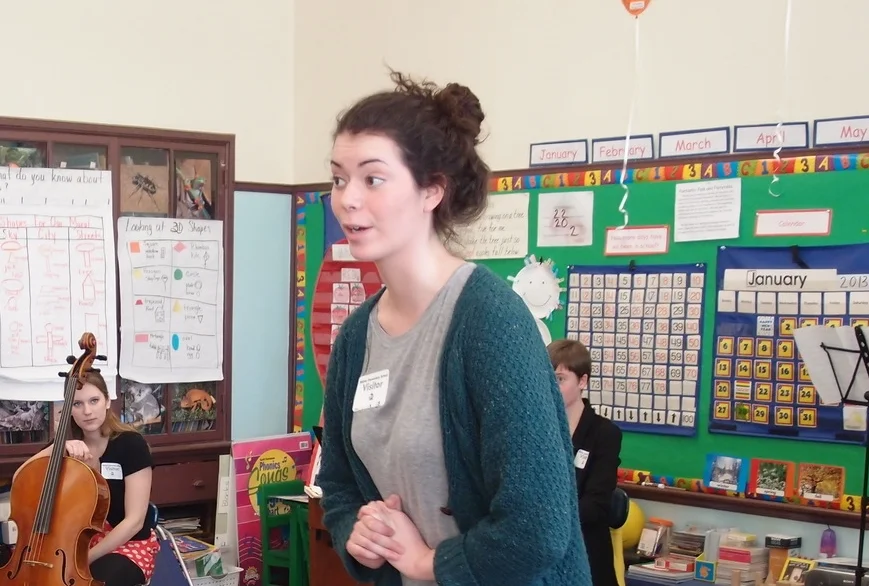
Interview with Rebecca Printz
Rebecca Printz is many things: a mezzo-soprano, a student in her fourth year at Oberlin Conservatory and College, a student of Kendra Colton's, an outstanding alumna of the Bach Institute (as well as its first-ever administrative intern), a Boston-area native, and the featured Young Artist for Winsor Music's annual Thanksgiving Concert, to name a few.

Rebecca Printz is many things: a mezzo-soprano, a student in her fourth year at Oberlin Conservatory and College, a student of Kendra Colton's, an outstanding alumna of the Bach Institute (as well as its first-ever administrative intern), a Boston-area native, and the featured Young Artist for Winsor Music's annual Thanksgiving Concert, to name a few. She will be performing Bach's Cantata BWV 170, "Vergnüte Ruh', beliebte Seelenlust," with Peggy Pearson, oboe d'amore, Gabriela Diaz and Shaw Pong Liu, violins, Shira Majoni, viola, Rafael Popper-Keizer, cello, Tony D'Amico, bass, and Peter Sykes, organ.
Rebecca took some time out of her preparations for the cantata (and her busy school schedule!) to speak with us about the upcoming concert, her path to conservatory, and what she's learned so far.
How old were you when you started singing?
I’ve been singing for all my life, but I started taking voice lessons when I was fourteen, at the New England Conservatory Preparatory School.
When you were younger, did you sing in any choruses?
I sang in the NEC children’s choir when I was young, and sort of made my way up the chorus hierarchy there. I did some choir in elementary school. I’ve always loved to sing.
When did you decide that you wanted to pursue music professionally, or that conservatory was the right choice for you?
It was when I was at the BU Tanglewood Institute the summer before my senior year of high school. I hadn’t really thought of conservatory as an option, but when I was there, most of the other kids attending that summer were planning on going on to conservatory, and I asked my voice teacher there: “How do you know if you’re good enough?” She said, “Well, I think that you’re good enough and you should go for it.” So when I came home from that summer, I told my parents that’s what I wanted to do. That program was organized as a kind of junior conservatory program to give you a sense of what it would be like, and I absolutely loved it, so I had a very good sense that conservatory was the right route for me. Also, Oberlin has this great double degree program where you can go to both the conservatory and the college, so that’s what I’m doing right now.
What’s your other degree?
My other degree is art history, which has ended up being very complimentary to my voice performance major at the conservatory. It gives you a bigger sense of what else was going on in the art world at any other given time.
Do you have a particular area of focus in art history?
I haven’t really so far. I’ve tried to take classes in every area. Because I’ve been planning to continue in music, I haven’t had to pick an area to focus on in art history so far.
Did you know Kendra Colton, your current voice teacher, before you went to Oberlin?
No, I didn’t know her, but my high school voice teacher knew of her and recommended that I take a lesson. Because she’s based in Boston, where I grew up, it was really easy for me to go and take a lesson with her, which I really enjoyed. Not a tough decision for me in terms of picking a teacher. It’s very convenient when I go home that she’s already so close to me.
You were the first intern at the Bach Institute, which is jointly run by Emmanuel Music, Winsor Music, and Oberlin Conservatory. Was that your first time working with Emmanuel Music?
Yeah, it was. It was great to be that close to the administrative side of a music organization; it wasn’t a side I knew anything about, or had been forced to think about before, so it was a really great experience.
What was it like to come back the following year as a student performer, to get both sides of that coin?
I definitely came back with an appreciation for things like how a program doesn’t appear from thin air, that someone puts time and work into creating those things. I was aware of this whole support system that I really hadn’t thought of before. It made me appreciate how much work it takes to put on a performance.

Rebecca Printz and members of the 2013 Bach Institute
Had you done much Bach before you became involved with the institute?
No, I hadn’t, I’d done a good bit of Handel, in terms of early music, but not much Bach. It was very different from anything I’d done before or since. It’s really informed everything since I’ve done since taking part in that program, in terms of extreme attention to detail, and intention in every single note and phrase that I sing. It was so influential and such a great experience.
Have you been concentrating in a particular area of vocal music at conservatory?
It’s been a pretty broad survey, I haven’t gotten much into contemporary music, but I’ve done everything from Bach to post-romantic Mahler more recently. I’ve covered most of the bases so far.
What are you looking towards after graduation?
Because I’m double degree, I actually have one more year after this year, so I’ll have next year to finish up my college degree. After that, I’ll be applying to music graduate school to continue studying voice. Hopefully I’ll be in a two year vocal graduate program after I graduate from Oberlin.
What has your experience been like preparing the cantata (BWV 170)?
Without my time at the Bach Institute, this would be so, so daunting, and without my teacher, who is very much an expert in this type of music, I wouldn’t feel nearly as comfortable with this music as I do now. It’s such a beautiful piece, but probably the most challenging part in preparing it has been the recitatives, just because stylistically, they’re so different. But again, my teacher has been amazing in helping me figure out just how to sing those.
Have you played with Peggy at all since the Bach Institute?
No, unfortunately! I’m not home that much during the year. I’m really excited to be performing with her again.
When did you hear about the CD release?
Peggy emailed me a couple weeks ago and sent me a file of the first movement, which is gorgeous and kind of daunting… thinking about them going home and listening to Lorraine sing what they just heard me sing. She’s one of my favorites, so I’m just thrilled that the recording will be out there so we can all listen to the whole thing.
In terms of the content of the cantata, is there anything that speaks to you musically or textually? What’s been grabbing you as you’ve been working on it?
The melodies are absolutely beautiful, and that’s personally what I connect to, and I also just love singing in German. I immediately felt very connected to this piece, I think because how unusual the melodies can be. I’ve had a great time preparing it.
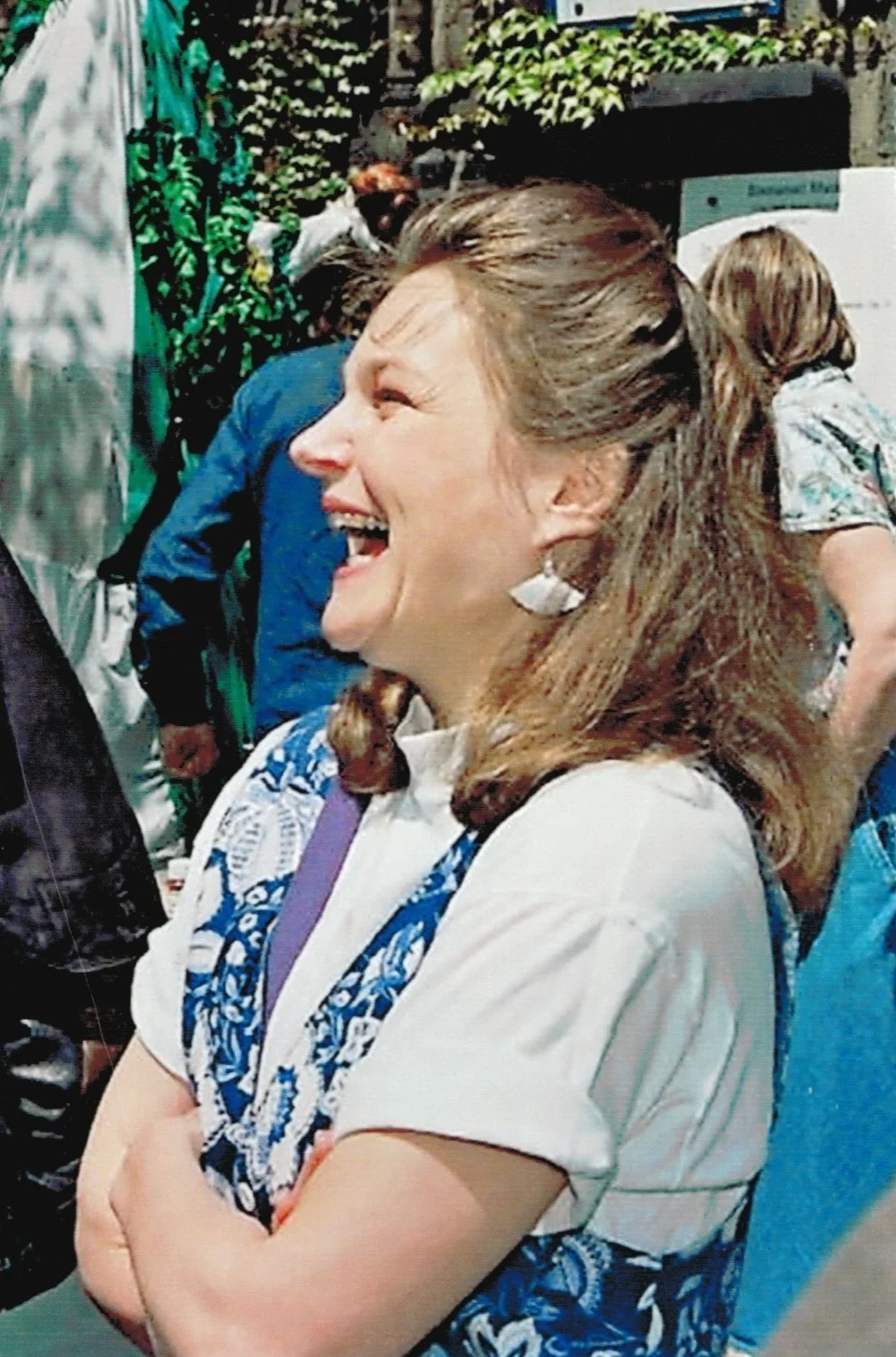
Peggy Pearson: Remembering Lorraine Hunt Lieberson
Winsor Music is pleased to announce that we will be releasing a private, archival recording of the late mezzo-soprano Lorraine Hunt Lieberson performing Bach's Cantata BWV 170 with Peggy Pearson and the Greenleaf Chamber Players, never before available to the public. This past week, Peggy shared her stories, memories and photographs of Lorraine and this project with us.
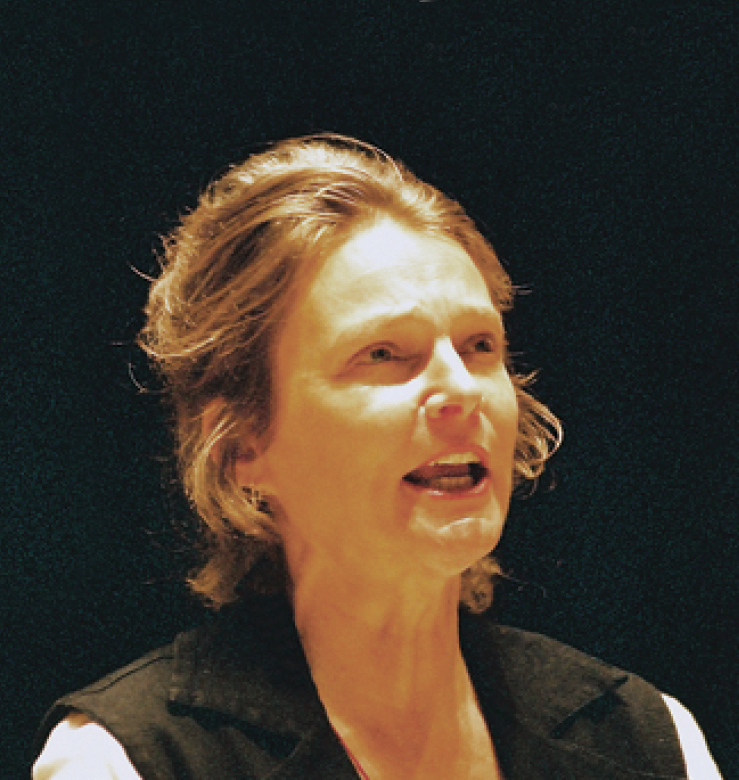
Artistic Director Peggy Pearson was a longtime friend and colleague of the late, great mezzo-soprano Lorraine Hunt Lieberson. In 1996, she invited Ms. Lieberson to perform Bach's Cantata BWV 170 ("Vergnügte Ruh', beliebte Seelenlust") with the Greenleaf Chamber Players. The performance was recorded, but that recording was never released to the public. Ms. Lieberson passed away in 2006 at the too-young age of 52, and this year, with permission from the Lieberson estate, Ms. Pearson decided to release the private recording from 1996. The estate and the Greenleaf musicians are graciously allowing us to donate all proceeds from sales of this recording to the Winsor Music education program. We will be releasing the recording at our Thanksgiving Concert on November 30th, when Young Artist Rebecca Printz will be performing the same Cantata BWV 170 with Peggy Pearson, Gabriela Diaz, Shaw Pong Liu, Shira Majoni, Rafael Popper-Keizer, Tony D'Amico, and Peter Sykes. The recording will also be available for digital download on our website.
Peggy shared stories, memories and photographs of Lorraine and this project with us this past week, and it's our privilege to be able to share them with you today.
Tell me about the Greenleaf Chamber Players.
The Greenleaf Chamber Players was a group I started at SUNY Purchase back in the ‘80s. I had been playing in the Mozart operas that Peter Sellars directed at SUNY Purchase; I was the orchestra manager, and I hired musicians from both Boston and New York to play in the orchestra. I became friends with the assistant director of that festival, who later became the executive director at the Performing Arts Center at SUNY Purchase, and he asked me to form a chamber group. I ran it for about five years, and it was great! I got to hire a good mixture of New York and Boston players: Daniel Phillips and Anna Lim, violins, Lois Martin, viola, Fred Sherry, cello, Jordan Frazier, bass, and Ed Brewer, harpsichord.
Tell me about the circumstances that led to this recording.
It was part of the chamber series there at Purchase in 1997. This was one of two programs that I also performed at the 92nd Street Y in New York City. They were both built around Bach; the first was with Dawn Upshaw, and the second one was with Lorraine. This program had a piece by John Harbison, the Bach cantata BWV 170, a Bach trio sonata, and a piece by Mario Davidovsky. There are two versions of this cantata: the first features the organ, which is more commonly performed. The other, which you hear on our recording, features the oboe d’amore, which I chose because the 92nd Street Y program was an oboe recital.
How did Lorraine get involved with this concert?
I knew her from Emmanuel. She started there as a violist, sang there for a number of years, and she was in Don Giovanni during the festival at SUNY Purchase. I knew her from weekly cantatas at Emmanuel, and I had been on tour with her; we did a production that Craig Smith (Founding Artistic Director of Emmanuel Music) and Peter Sellars put together based on Bach arias and Little Mahagonny by Kurt Weill [The Rise and Fall of the City of Mahagonny]. Lorraine was always incredibly well-prepared; it was exciting, intense, and always a joy working with her.
You said in your liner notes that you feel that this cantata was written for Lorraine’s voice and that she’s in her element here. Can you elaborate?
This cantata is about sin and our need to renounce sin in order to be at peace with the world. As Ryan Turner (current Artistic Director of Emmanuel Music) says: “The journey begins in a place of true concord, evolving through a statement renouncing the sins against the word of God, and eventually concluding with the believer’s desire to die and thus be free of all sin.” The cantata is full of repose, anxiety and exuberance — perfect for Lorraine!
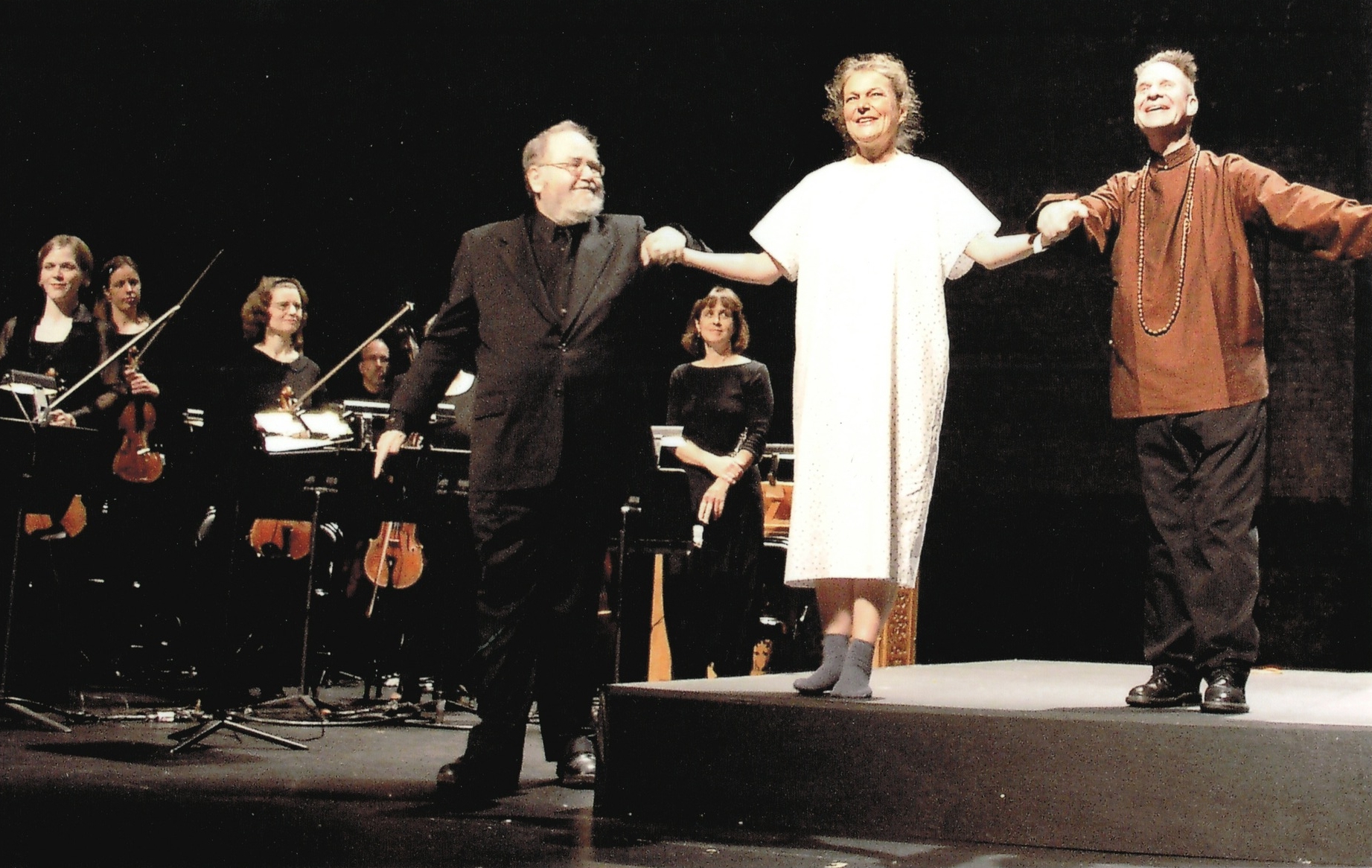
Photo credit: Julian Bullitt
What other memories do you have of Lorraine?
There was another tour that we did of two Bach cantatas, 82 and 199 — there were actually two tours of that program. During the second one, she was very sick, and clearly in pain on stage and off. It was heartbreaking to watch. She had to cancel the last few performances because she was in so much pain. I remember going to her hotel and sitting in the lobby for hours, trying to figure out what to write in a note to her, just to tell her how much it meant to have had the opportunity to play with her.
I’m sure that many of Lorraine’s fans will be so grateful that you are sharing your memories of her with us as well as this incredible recording. You also shared this picture of you and Lorraine rafting with a group of friends. Could you tell us some of the story behind that photo?

This was from a day trip organized by a friend of Lorraine's, Roger Kaza. He was playing horn in the Boston Symphony at the time, so most of the people in that picture are horn players from the BSO. We could have wiped out the entire horn section on that trip, and we nearly did, too, we tipped over at one point! Roger was sitting in the front of the raft, and he had rigged up a waterproof camera and a wire with a clicker so he could take pictures as we went through the rapids. Of course he aimed for every big hole. When the water goes over a rock there’s a “hole” or hydraulic downstream of it — a good place to lose control! Roger was looking for an exciting ride, but it was a little too exciting for my taste: you can see that in all of our faces.

What do you want us to take away from hearing this recording? How do you want Lorraine to be remembered?
A lot of people have an image of Lorraine as being very intense — she worked incredibly hard, and I always had the feeling that she spent most of the day of a performance just getting in the zone and preparing herself, especially once she was sick — but I also remember her as fun loving and exuberant. She had a cackle of a laugh that you could hear four blocks away. I took her to our house at the end of Duxbury beach one September, and I have a lasting image of her body-surfing in the ocean after a storm — I like to remember her glee and laughter as we went crashing into the shore.
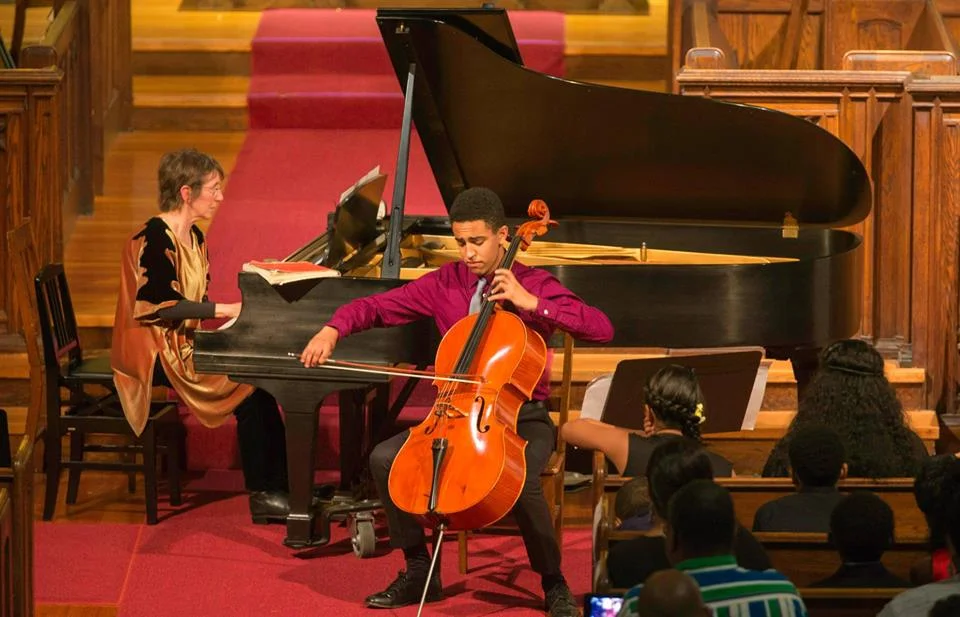
Interview with Lev Mamuya: Songs for the Spirit
Last April, we celebrated the premiere of Lev Mamuya's final composition for Winsor Music as a high school student, and this fall, we welcome him back as a freshman at Harvard and NEC (fortunately for us, he didn't go too far!).

Last April, we celebrated the premiere of Lev Mamuya's final composition for Winsor Music as a high school student, and this fall, we welcome him back as a freshman at Harvard and NEC (fortunately for us, he didn't go too far!). Lev is contributing to Winsor Music's collection of Songs for the Spirit, an ongoing project in which we invite composers to compose a hymn based on the text of their choice, asking only that the text should deal with themes of peace, tolerance, and unity. These pieces are performed on our Chamber Series concerts by both the audience and our professional musicians. To learn more about the project, and to see the full list of participating composers, click here.
Lev very graciously took a few minutes out of his hectic schedule to speak with us about his contribution to the Songs for the Spirit: "I Dream a World," a setting of the famous Langston Hughes poem. You can hear, learn, and sing this remarkable work during our annual Thanksgiving Concert on November 30th, at Follen Community Church in Lexington. More information and tickets can be found here.
How has your first year of school been?
It’s been alright; it’s definitely been an adjustment getting used to scheduling and new independence and responsibilities, but it’s definitely been good, I like it here a lot.
How does it feel to be joining a project that John Harbison, Peter Child, and John Heiss have all contributed to?
It was definitely intimidating, but it didn’t really hit me until I asked Peggy to send me some examples of songs from the past, and when I started getting Peter Child and John Harbison songs… It’s definitely intimidating, but a fun challenge.
One of my favorite aspects of the SFS project is that the composer chooses the text. Tell us about your choice, Langston Hughes' "I Dream a World."
I have always been attracted to his poetry since we did a unit on Modern American poetry in my junior year of high school. It was one of the first things that I thought of when I was told that the text should have something to do with tolerance, peace, love. It just seemed like an obvious choice to fit that description. We learned about this particular poem in school and it has all sorts of historical ties to the civil rights movement. I guess it’s a little bit personal: something about the language reminds me a lot of an MLK speech. It’s very declaratory and optimistic.
Peggy describes these pieces as secular hymns, because they draw on the Christian choral tradition of communal, four-part singing. Did you grow up with any sort of hymn-singing tradition, sacred or secular?
In terms of hymn experience… I’m Jewish, so we used to go to temple or to synagogue, and there’s obviously a singing culture there, so that was a part of my life, especially earlier on. In terms of singing, outside of a hymn context, I’ve sung in chorus and at a variety of music festivals and especially at school, we’ve sung religious hymns and texts there.
How did that experience (or lack thereof) inform your writing?
I think in writing this particular piece I tried to take a couple of things into consideration more than I normally would in terms of carrying melodies more easily and the types of harmony I wanted to use, what type of voicing and accompaniment was suited for a context like a hymn. I definitely think that knowing pieces like that affected how I went about writing this particular piece.
Do you have a favorite hymn (or any choral work)?
This isn’t a hymn, but I have a special relationship with the Fauré Requiem which is a piece that I’ve sung at camp a couple of times. In terms of hymn-sounding works, at camp this past year we sight-read a short piece by Olivier Messaien based on bird songs, “O Sacrum Convivium." Something about the harmonies and the style of that really appealed to me as well.
Can you describe your setting of “I Dream A World”?
The poem is very optimistic and very hopeful, and I tried as best I could to echo that tone in the music and the writing and create something that was simultaneously very peaceful but also exuberant in an understated way. In creating it, I really was trying to echo Peggy’s vision of peace and unity and tolerance, being hopeful and happy.
In all the writing you’ve done for Winsor before, you’ve always been writing for professional musicians, but this is writing for the audience. How did that affect your composition process?
I had a conversation with Peggy about this about how perhaps it would be a good idea for it to be more tuneful, and the parts to be easier to follow, and flushing out the accompaniment a little differently to saturate some of the harmonies. I thought it was a very special challenge, trying to keep it in a place where it would be quickly accessible for an audience to learn and to sing.

Winsor Music and the Mayor's Holiday!
Winsor Music is pleased to announce that we are participating in the 2014 Mayor’s Holiday! A decade-plus tradition originally supported by the late Mayor Thomas M. Menino, the Mayor’s Holiday is an eight-week celebration of the area’s performing arts featuring thousands of half-priced tickets to over 130 holiday shows throughout Boston and beyond.


Mayor Martin J. Walsh of Boston
Winsor Music is pleased to announce that we are participating in the 2014 Mayor’s Holiday! A decade-plus tradition originally supported by the late Mayor Thomas M. Menino, the Mayor’s Holiday is an eight-week celebration of the area’s performing arts featuring thousands of half-priced tickets to over 130 holiday shows throughout Boston and beyond sponsored by ArtsBoston, in partnership with Mayor Martin J. Walsh, the City of Boston, and the Greater Boston Convention & Visitors Bureau. Tickets for Mayor’s Holiday 2014 go on sale November 10, 2014, at MayorsHoliday.com and at both BosTix booth locations at Copley Square and Faneuil Hall Marketplace. This includes tickets to our annual Thanksgiving Concert at Follen Community Church in Lexington! Invite your friends and family to join us in sharing the gift of music this holiday season.
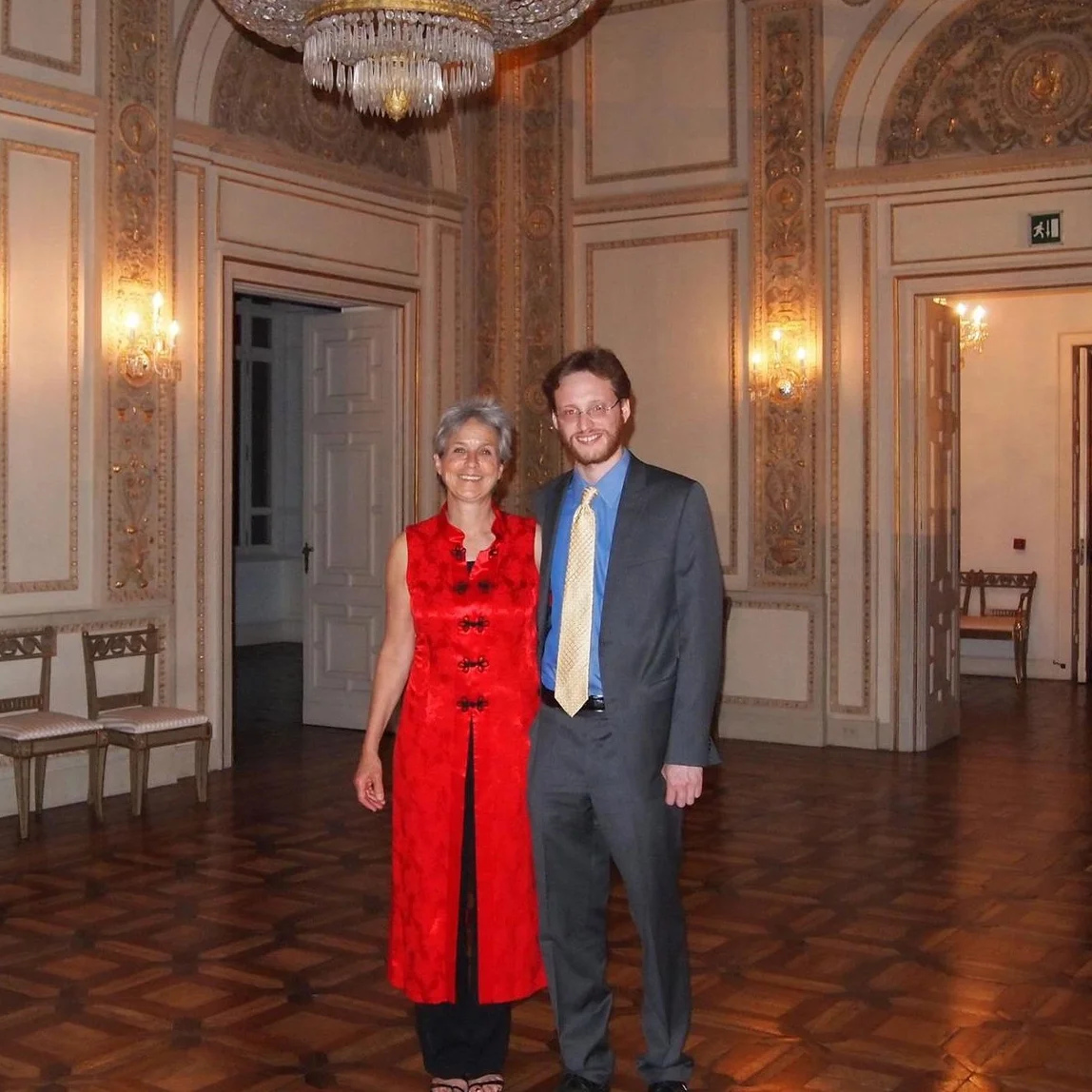
Following a Winsor Commission
We just kicked off the season with a great concert, but Peggy is on the road again! This week, our Artistic Director is in NYC with composer Eric Nathan, violinist Samuel Rhodes, pianist Mei Rui, and the Momenta Quartet. On Friday, they will be performing a concert of Eric Nathan's music at Tenri Cultural Institute, and on Saturday, they head to the studio to record Eric's debut Portrait CD, which will be released in the fall of 2015 by Albany Records.
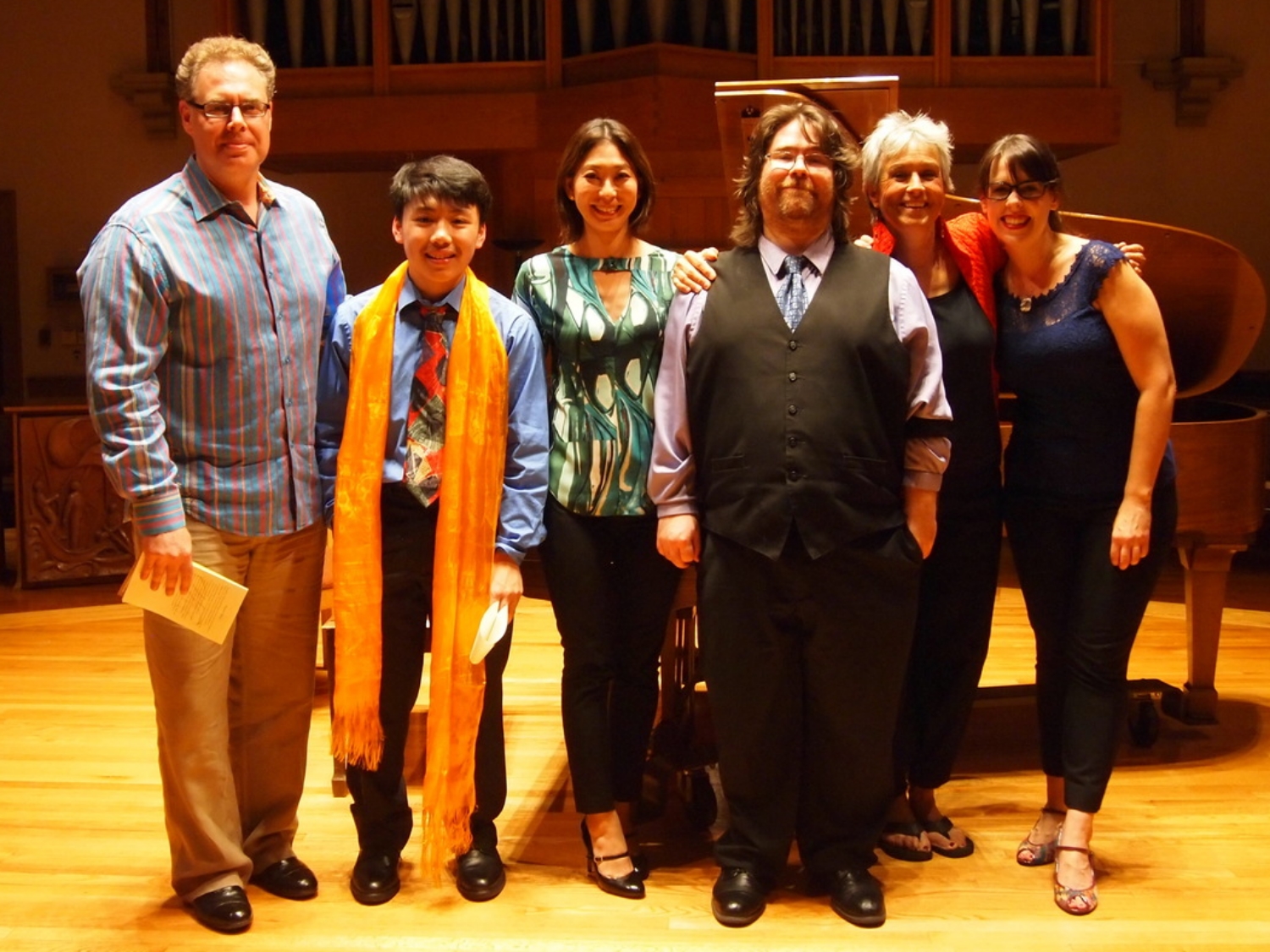
We're happy to say that we kicked off the season with a full house and an explosive standing ovation for our first concert this past Sunday, featuring pianist George Li and the Boston premiere of Harold Meltzer's Air and Angels, a Winsor Music Commission. Many, many thanks to George, Harold, Gabby Diaz, Noriko Herndon, Rafi Popper-Keizer, and everyone who helped to make September 14th a night to remember. But we're only just getting started, and even between Winsor Music concerts, our Artistic Director Peggy Pearson is on the road again, following our Winsor commissions wherever they may lead her (did you know she played in Rome this summer?).

Peggy and Eric Nathan at the American Academy in Rome
This week, Peggy is in NYC with composer Eric Nathan, violinist Samuel Rhodes, pianist Mei Rui, and the Momenta Quartet. On Friday, they will be performing a concert of Eric Nathan's music at Tenri Cultural Institute, and on Saturday, they head to the studio to record Eric's debut Portrait CD, which will be released in the fall of 2015 by Albany Records. The CD will be produced by Grammy Award-winning engineer Judith Sherman, and will include a performance of the Winsor Music commission Quartet for Oboe and Strings featuring Peggy and the Momenta Quartet.
You can help make this exciting project a reality by considering a donation to the Hatchfund Campaign that Eric has launched to fund the recording. Although we're sure that you're familiar with other crowd-funding platforms like Kickstarter, Hatchfund is an exciting new innovation in the industry, and one that benefits artists and non-profits more directly than any of its competitors. In Eric's own words:
Hatchfund is different from other crowd-funding organizations (such as Kickstarter) in that it is a non-profit focused entirely on the arts and every cent that you donate is tax deductible. Please note that if you donate to the campaign you must also contribute an additional percentage to Hatchfund – as little as 5% (be sure to select a percentage otherwise the default setting is 15%). Other crowd-funding companies take the same percentage or more out of your pledge, but with Hatchfund the artists receive your full pledge. The extra percentage goes to support services Hatchfund provides to help ensure its very high, 75% success rate of its campaigns.
We'll keep you posted as the project continues, and you'll be the first to know when the recording is available!
Winsor fans in NYC, you won't want to miss this concert on Friday! It's free with a suggested donation of $20, and if you haven't heard Eric's Quartet for Oboe and Strings yet, this is your chance to see Peggy perform it in person. Full information about the concert can be found here.
Peggy's Notes on Our Season of Haydn
As an oboist, I often think I am the luckiest person alive because I have the Bach cantata repertoire. Perhaps this should be enough to keep an oboist going! However, as the artistic director of a chamber series (who enjoys performing), I struggle with the fact that the chamber music repertoire for oboe is limited. Coming up with programs involving the oboe is a challenge, but it's a good challenge to have.

As an oboist, I often think I am the luckiest person alive because I have the Bach cantata repertoire. Perhaps this should be enough to keep an oboist going! However, as the artistic director of a chamber series (who enjoys performing), I struggle with the fact that the chamber music repertoire for oboe is limited. Coming up with programs involving the oboe is a challenge, but it's a good challenge to have. That is why I have been commissioning new compositions and transcribing classical works for oboe since we started Winsor Music.
When I do a transcription, I try hard not to annoy my audience and musician friends by avoiding pieces that are well-known or performed often. Early on, I started with rarely performed Bach and Brahms organ works; I moved on to Webern, Landini and Clara Schumann. John Harbison was the one who suggested I take a look at Haydn.

Professional string quartets are playing less and less Haydn: Hah! what are they thinking? I love Haydn, and if they are not going to play Haydn, I am. If I can make a string quartet work for oboe, I’m going to arrange it!
So when one of my board members suggested that I should program Haydn on every concert, I went for it. The Haydn trio on Sunday’s concert was originally composed for flute, cello and piano. I programmed this work because it is a concise and spirited piece, and because I love playing it-- but more importantly, I really wanted to play with George Li!
We would like to take this opportunity to announce that Peggy's transcription of Haydn's Quartet in D Minor, Op. 42, No. 1, is now available as a digital download!

Franz Josef Haydn’s darkly evocative Quartet in D minor, composed in 1785, arranged to include oboe by Peggy Pearson, and here available as a PDF download.
Quartet in D minor, Op. 42, Hob. III:43
1. Andante ed innocentemente
2. Menuetto. Allegretto – Trio
3. Adagio e cantabile
4. Finale. Presto
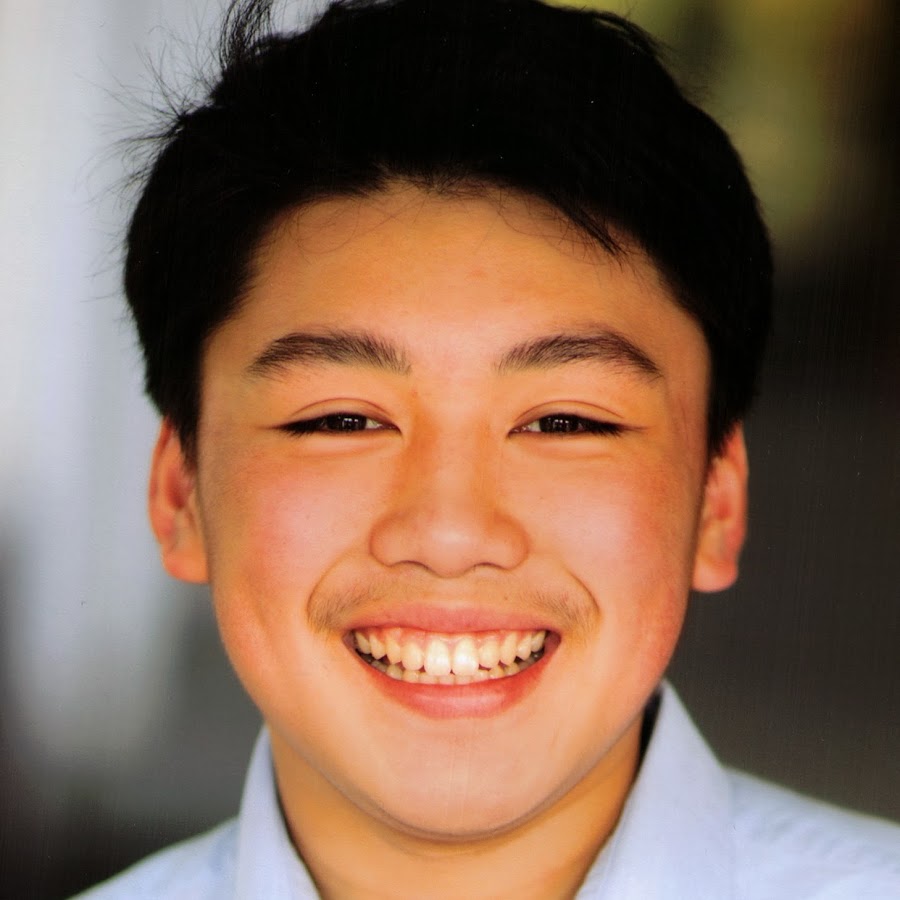
Interview with George Li
Meet George Li, the distinguished Young Artist who will appear with Winsor Music on Sunday, Sept. 14th, 7:00pm, at St. Paul's Church in Brookline. George is a prizewinning pianist and sought-after concerto soloist who has played for President Obama, Chancellor Angela Merkel of Germany, and members of Congress. He gave us a thoughtful and insightful interview recently, which we're very pleased to be able to share with you here.

Meet George Li, the distinguished Young Artist who will appear with Winsor Music on Sunday, Sept. 14th, 7:00pm, at St. Paul's Church in Brookline. George is a prizewinning pianist and sought-after concerto soloist who has played for President Obama, Chancellor Angela Merkel of Germany, and members of Congress. He just completed his freshman year of the Harvard/NEC dual degree program last year. George is represented by Young Concert Artists, Inc., and in 2012 was the winner of the Gilmore Young Artist Award and recipient of the Tabor Foundation Piano Award at the Verbier Academy.
How old were you when you started playing, and how did you get started?
I started playing the piano when I was 4 and a half, and my first inspiration to start piano was my older sister, who now teaches math. When she was little, she used to study the piano, and since I was very young, I was exposed to her practicing, and I used to listen to the classical radio station when I was going to bed at night.
Was there any piece or composer that you particularly remember from listening to classical radio as a kid?
Yes, I remember this specific recording of Evgeny Kissin playing the Moonlight sonata, which was very inspiring to me, and I always wished that one day I would be able to play like that. When I finally conquered that piece, it was a very happy moment.
Was there a moment or a turning point when you started to feel like you could do this professionally?
Yes, definitely, I think it was when I was 11, and I played my second concert with orchestra; it was a Beethoven concerto. I felt really different that time — in concert, I felt like I entered a different world while I was playing. It was a very otherworldly experience for me. After the concert, people started coming to me, saying that my music had helped them with their lives, and changed their lives significantly. I guess from that moment, I realized that if I could do this as a career, it would be nice.
It seems like you have a thing for Beethoven!
I really like his music. In my freshman year at Harvard, during my second semester I took a class on Beethoven’s symphonies and learned to appreciate his music a lot.
Have you played much chamber music before?
Yeah, I started when I was nine years old at preparatory school at New England Conservatory, and I formed this group, a trio, with Momo Wong and Jonah Ellsworth, who are also great New England musicians in college. We had a lot of fun; we performed at From the Top, and we went to the Fischoff Chamber music competition, which was a great experience. I really love doing chamber music, it’s so fun. Also, over the summer, I went to Switzerland for a competition, and in the final round I got to play with the Jerusalem Quartet. That was probably the first time I played chamber music with professional musicians. The Winsor concert will only be my second time playing chamber music with professionals, so I’m really looking forward to it.
What is different about your solo playing versus your chamber playing? Do you approach the music differently?
I guess when I’m playing solo, I’m more free in my sound and the range of colors and dynamics. I can play as loud as I want, but I also have to keep in mind the orchestral sounds that I want to try and imitate. I use my chamber music experience, and my orchestral experience, to try and imitate that range of sounds when I’m playing solo music. Also, in concerti, it’s a combination of chamber music and solo music; I have to be concentrating on maintaining a fluid balance between orchestra and piano, but I also try to lead the orchestra and inspire them to make music in the way that I want to sound. Chamber music is more intimate and more about balance. We inspire each other; the more we pay attention to balance and contrast and character changes, the more exciting the music becomes.
Have you played with an oboe before in a chamber setting?
No, I haven’t. That will definitely be a new experience. I haven’t played with woodwinds or anything besides strings in a chamber setting.
Do you have a favorite instrument or combination that you enjoy playing with?
I always said that if I didn’t play piano, I’d probably try to play the cello. I really like the tone of the instrument.
What are you most looking forward to about this concert/experience?
Being able to collaborate with such great musicians as Mr. Popper Keizer, Ms. Diaz, and Ms. Pearson. All of my experience so far is playing with colleagues my age, which is great because we’re all new at this and trying to get better and better, but I think being able to play with people who already have such great experience in their pockets will be great for me.
Do you find that you are specializing in a period or style so far in your career?
Yeah, my aim would be to able to play all periods of music. I think I’ve been playing a lot of classical and romantic, like Lizst or Chopin, but it would be really great to venture out and try new styles of music, like contemporary. I’ve never played much contemporary other than a little bit of Schoenberg, but nothing really that modern, so that would be a good thing to discover.
How does the repertoire for this concert fit into that picture? Have you played much of this before, or is it new territory?
Actually, I played the Mendelssohn when I was really young, but I haven’t played it since then — probably six or seven years — so it will be a nice piece to get into again, rediscovering new things, and experimenting with it. I’ve never played the Haydn, but I’ve heard it several times on recordings, so yes, I’m familiar with the styles.
What are you most looking forward to in your schedule this year?
A concert next May in Lincoln Center; that will be a very big moment for me. It will be a great experience to play with St. Luke’s Orchestra, and I’m very excited to play the Tchaikovsky Concerto. But I try to think of every concert as extremely important, I always try to do my best. I never think, oh, this is a little concert in a local town, so it’s not important. I always try to think of every concert as maybe the last concert of my life, so I hold myself to a high standard every time I play.
What is your dream gig?
I think my dream concert would be a performance with the Berlin Philharmonic in Germany. That would pretty much do it for me. Any conductor would be great, but I guess Gustavo Dudamel or Zubin Mehta… any great conductor would be amazing. I always dreamed when I was little of playing in all the major concert venues with the great orchestras, and just hearing them on recordings, having CDS of those halls and the performances in those halls was so inspiring to me. It would be a dream come true.
What would you want to do professionally if you weren't a pianist?
Most of my family are doctors, so if I wasn’t a musician, I would probably try medical school or study economics and go to Wall Street [laughs]. Being a doctor is very admirable; they save lives, and they take risks in doing so. It would be good to do that if I wasn’t a musician.
You seem to be motivated by having an impact on people.
Yeah. [laughs]
George Li appears with Winsor Music courtesy of Young Concert Artists, New York. To learn more about George, please visit his YCA page: http://www.yca.org/roster/george-li/.
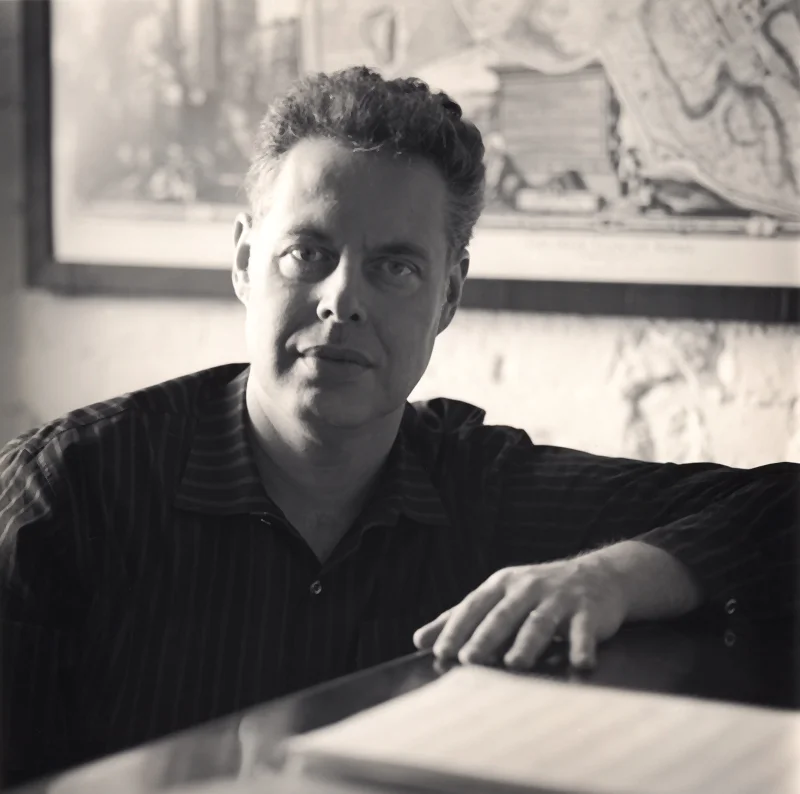
Interview with Harold Meltzer
Meet Harold Meltzer, Guggenheim fellow, Pulitzer Prize finalist, co-founder and Artistic Director of the ensemble SEQUITUR, and composer of Air and Angels, Winsor Music's newest commission!

Meet Harold Meltzer, Guggenheim fellow, Pulitzer Prize finalist, co-founder and Artistic Director of the ensemble SEQUITUR, and composer of Air and Angels, Winsor Music's newest commission!
Hometown and/or city where you're currently based:
I live in New York City, in Manhattan, was born not far away in Brooklyn, and grew up not too much farther away in Long Island.
How would you describe your music to someone who has never heard it?
Fragmented and filled with sudden shifts that surprise and come to make sense through accumulation and contrast, concerned with how lyricism can still exist in such a fragmented landscape.
If you had to choose one piece you've written (or that someone else has written) to describe your style or sound, what would it be?
My own sextet Brion (2008), for flute, oboe, mandolin, guitar, violin, and cello. http://www.naxos.com/catalogue/item.asp?item_code=8.559660
What can you tell us about the piece you're composing for Winsor?
It's the first piece I've written in awhile that is abstract, not based directly on a text or inspired by an architectural site or an older piece of music. The title, Air and Angels, is taken from a sequence of poems by Kenneth Rexroth; and Rexroth, in turn, took his title from a John Donne love poem of the same name. But the music is only loosely inspired by the Rexroth sequence.
Where do you see this piece in relation to your other work? Does it fit into the "big picture", or is it something completely different?
Hmm, I'd say it's a big picture piece, a little related to Brion and a little related to my 2011 string quartet, Aqua.
To learn more about Harold, visit his websites, http://www.sequitur.org/ and http://www.haroldmeltzer.com/.
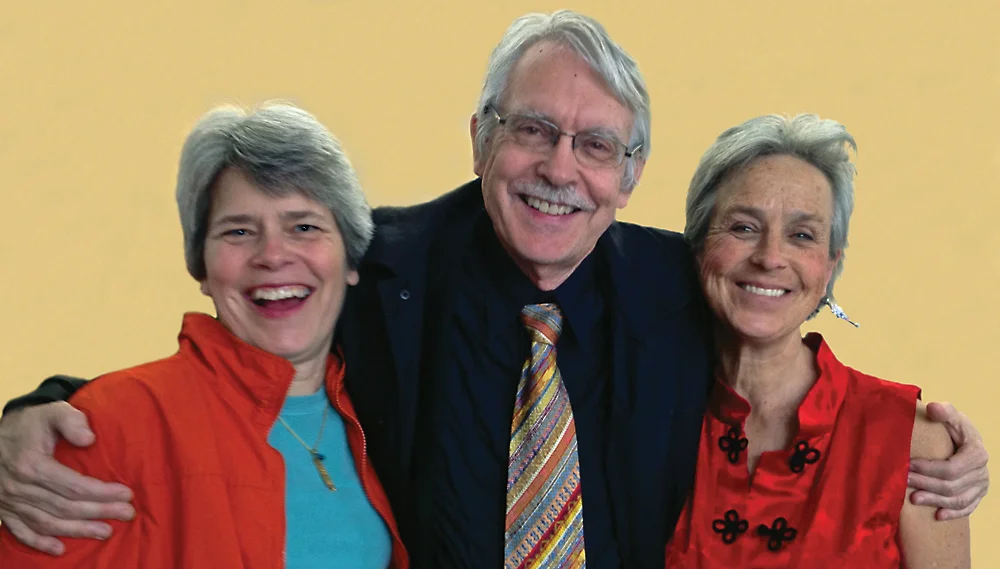
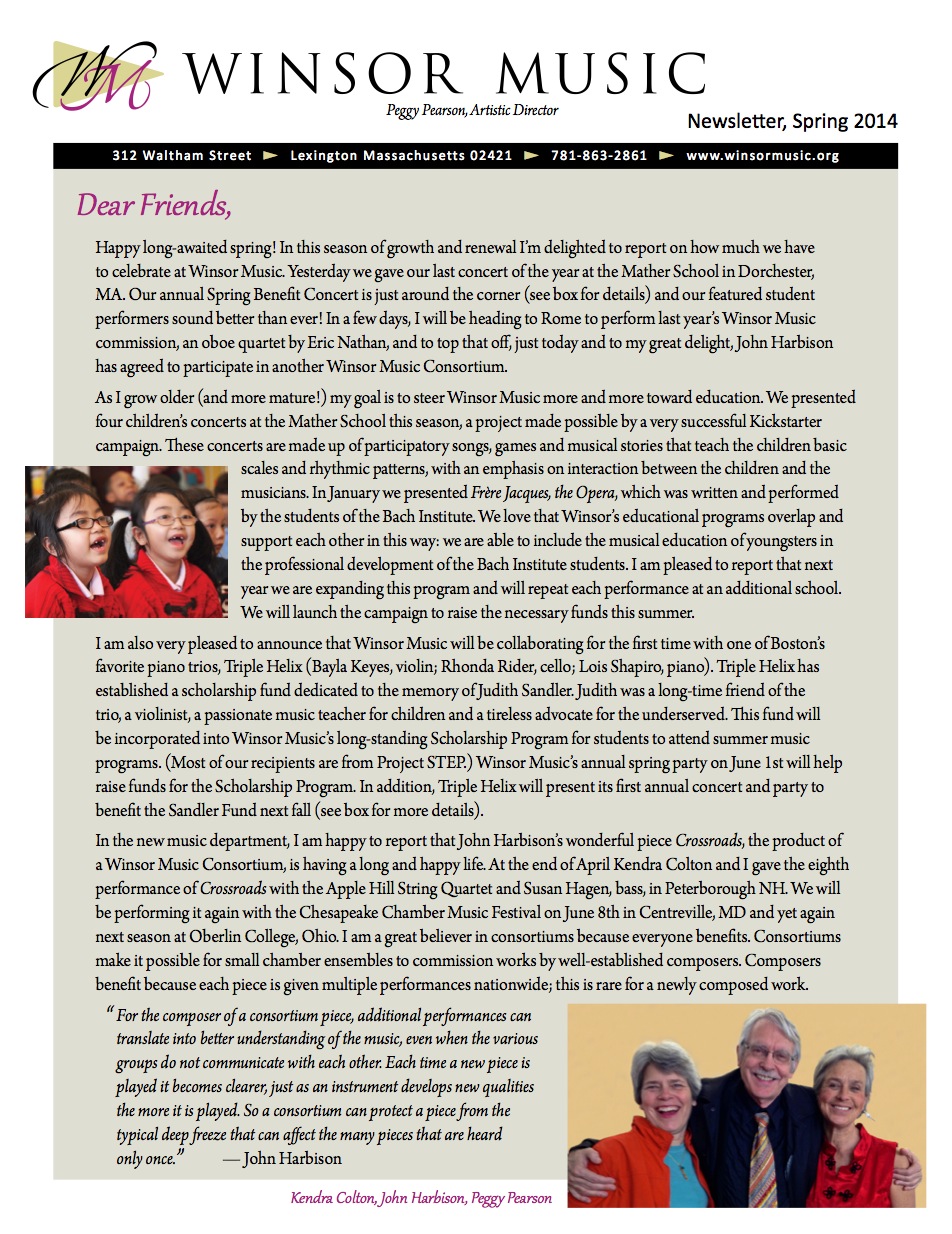
Catch Up with Winsor: Spring/Summer Newsletter 2014
This spring, we gave more concerts at the Mather School than ever before, and John Harbison's Crossroads, a Winsor Music Consortium Commission, has been touring the world! Read all about it in our newsletter.
We had a great 2013-14 season, and we're now in the middle of a busy summer, gearing up for 2014-15! Take a peek at our newsletter to catch up with what's been happening at the Mather School, the whirlwind life of a Winsor Consortium Commission, and more! (Did you know that you can access any of our newsletters from 2009-10 onwards by visiting our Newsletters Page?)
Click on the image to view the full, two-page newsletter, including very exciting news about Young Artist and composer Lev Mamuya!
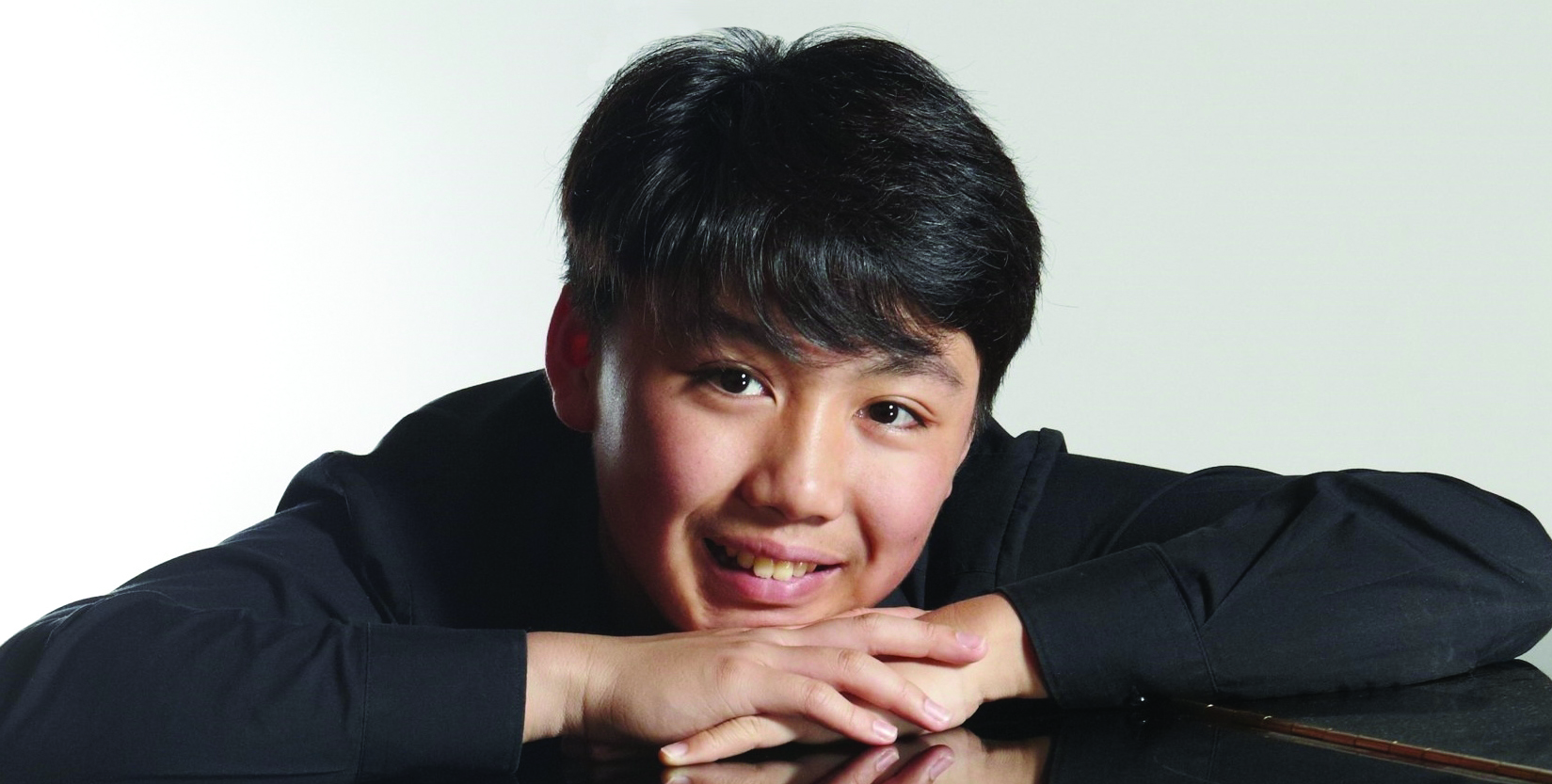
George Li: Featured Young Artist, September 2014
Winsor Music is pleased to announce that George Li will perform as our featured Young Artist on the Opening Concert of our 2014 Chamber Series.
Winsor Music is pleased to announce that George Li will perform as our featured Young Artist on the Opening Concert of our 2014 Chamber Series.

Praised by the Washington Post for combining “staggering technical prowess, a sense of command and depth of expression,” pianist George Li possesses brilliant virtuosity and effortless grace far beyond his years. In 2012 alone, Mr. Li won the Gilmore Young Artist Award and received the Tabor Foundation Piano Award at the Verbier Academy. The 2014-2015 season includes his Alice Tully Hall debut, in which he performs the Tchaikovsky Piano Concerto No. 1 with the Orchestra of St. Luke’s under Gerard Schwarz.
Mr. Li has performed recitals at the Isabella Stewart Gardner Museum, the Tryon Concert Association, the Buffalo Chamber Music Society, the Candlelight Concert Society, University of Georgia, Oberlin Conservatory of Music, the Harriman-Jewell Series, the Miami International Piano Festival, the Irving S. Gilmore International Keyboard Festival, the Morgan Library and Museum, the Vancouver Recital Society, Shriver Hall, and Festspiele Mecklenburg-Vorpommern, among others. As a concerto soloist, he has appeared with the Richmond, Hilton Head, Edmonton, and Stamford Symphonies, the Boise and Spartanburg Philharmonics, the Brooklyn Philharmonic Orchestra, the Pasadena Symphony and Pops, the Boston Philharmonic, and the Nordic Chamber Orchestra and the Norrkoping Orchestra in Sweden.
In 2011, Mr. Li performed for President Obama at the White House in an evening honoring Chancellor Angela Merkel. He was chosen to appear at the opening ceremony of Boston’s new Institute of Contemporary Art and the inauguration of President Tony Woodcock at the New England Conservatory, and has performed for members of US Congress at the Senate Office Building in Washington, DC.
First Prize Winner in the 2010 Young Concert Artists International Auditions, Mr. Li’s highly acclaimed New York debut at the age of 16 opened the 51st Young Concert Artists Series in the Peter Marino Concert at Merkin Concert Hall. YCA also presented his debut in Washington, DC at the Kennedy Center, sponsored by the Alexander Kasza-Kasser Prize, both to rave reviews.
As First Prize winner of the inaugural Cooper Competition at Oberlin Conservatory of Music, he appeared as soloist with the Cleveland Orchestra. He has also performed as soloist with orchestras including the Xiamen Philharmonic in China, the Simon Bolivar Youth Orchestra in Venezuela, and with “I Solisti di Perugia” in Italy. He played Beethoven’s Concerto No. 4 with the New England Conservatory Youth Philharmonic under Benjamin Zander on a European tour.
George Li gave his first public performance at Boston’s Steinway Hall at the age of ten. He won First Prize in the Massachusetts Music Teachers Association Competition twice at the ages of six and seven. While attending the Walnut Hill School for the Arts, he studied piano with Wha Kyung Byun at the New England Conservatory. He is currently in the Harvard University/ New England Conservatory joint program, continuing his studies with Wha Kyung Byun.
George will appear courtesy of Young Concert Artists Inc.
Young Concert Artists, Inc.
250 West 57 Street
Suite 1222
New York, NY 10107
telephone: (212) 307-6655
fax: (212) 581-8894
email: yca@yca.org
www.yca.org
Photo: Christoph Michaelis
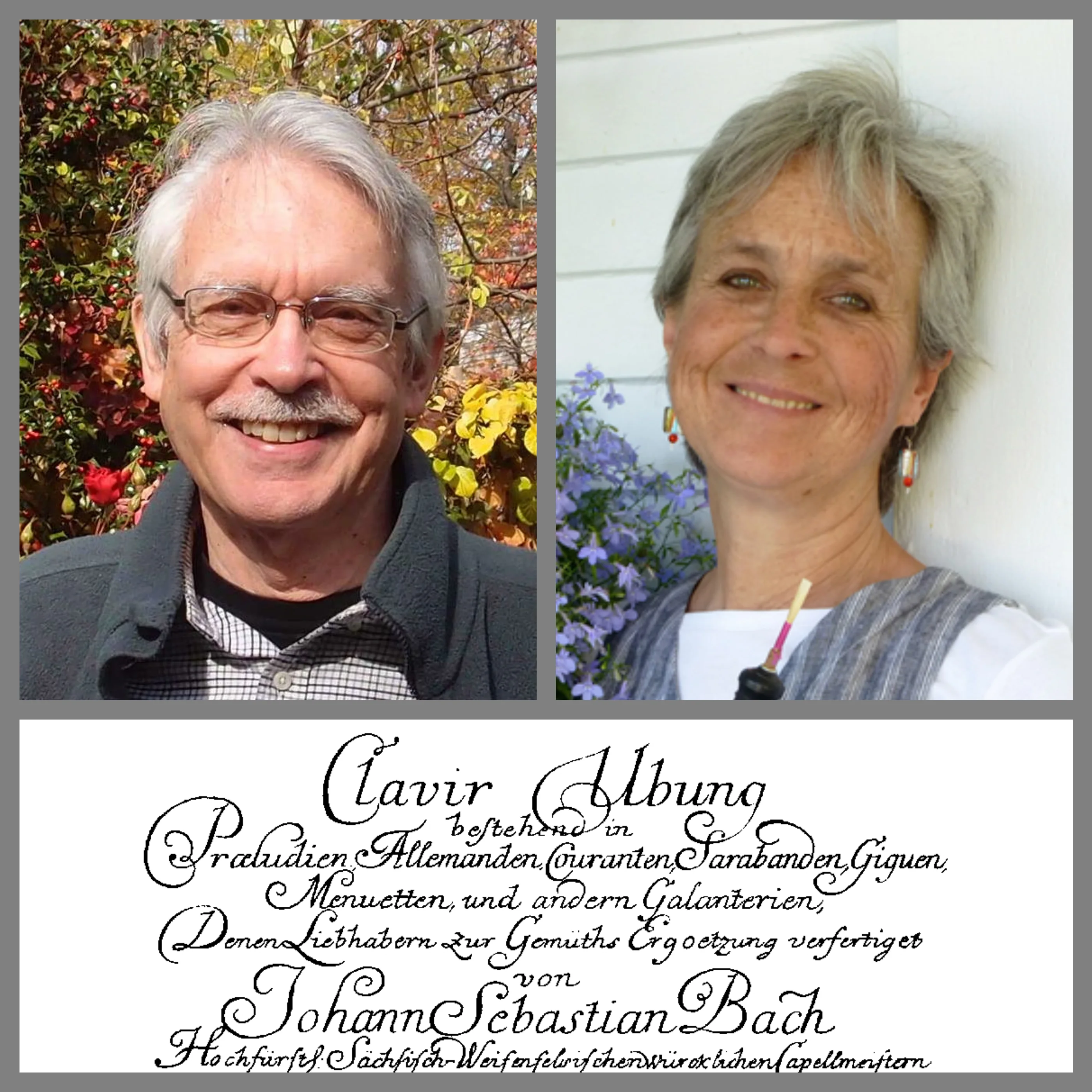
John Harbison's Thoughts on a Bach Chorale Prelude
Renowned Bach scholar (and friend of Winsor Music) John Harbison had a wonderful conversation with our artistic director Peggy Pearson the other day. They were talking about the chorale prelude "Vater unser im Himmelreich," which you'll hear on tomorrow night's concert, so Peggy took good notes!
Renowned Bach scholar (and friend of Winsor Music) John Harbison had a wonderful conversation with our artistic director Peggy Pearson the other day. They were talking about the chorale prelude "Vater unser im Himmelreich," which you'll hear on tomorrow night's concert, so Peggy took good notes! We're very grateful to John for allowing us to publish them here.
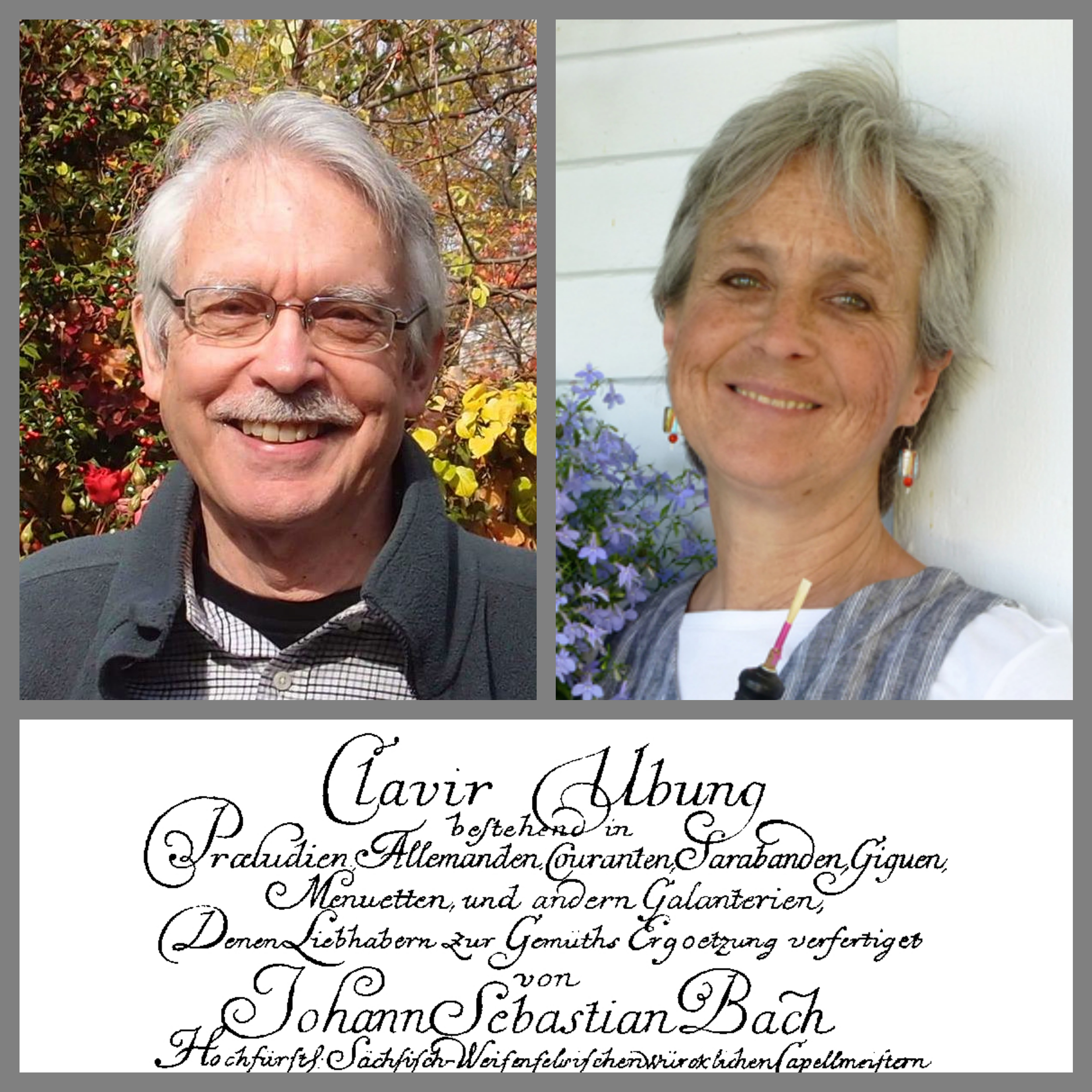
Vater unser im Himmelreich comes from a series of chorale preludes in the third book of the Clavier-Übung. They are based on the Catechism Chorales which were given this name because they were either composed by Luther or collected by him, and were therefore extremely important to Lutherans. Bach puts them in a sequence and presents each one in a unique way. Vater unser im Himmelreich is in the form of an elaborate trio sonata with diverse thematic ideas imposed upon the canonic treatment of the chorale tune.
Canons require exact continuation and they technically never end; they were believed to be links to the next world.
Bach’s sons believed him to be old fashioned and theologically much too involved in the past. Along with Frederick the Great, they did not care for canons--no doubt Bach was trying to annoy them with the Musical Offering.
We know that the Catechism Chorale Preludes were of great importance to Bach because they are among the few pieces he paid to publish. They are long and extremely difficult. Bach knew that very few organists in the world could play a work like Vater unser im Himmelreich, and he included a short, simpler version of each chorale prelude that would serve as a hook for less accomplished players.
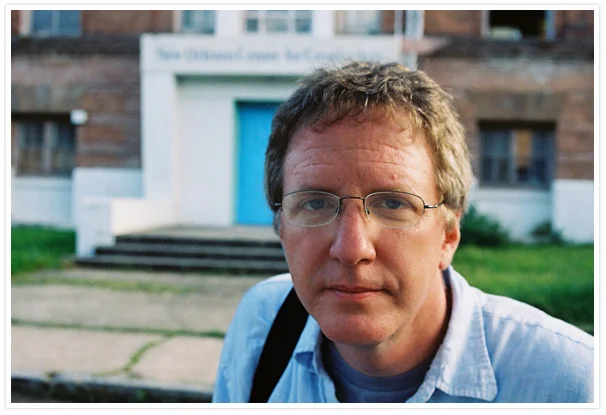
Andrew Waggoner on the Many Meanings of Down and Up
Andrew Waggoner is a critically-acclaimed, prize-winning composer who has been praised by the New Yorker as “a gifted practitioner of a complex but dramatic and vividly colored style.” He took some time recently to talk about his style, his thought process, and his new piece for Winsor Music, in a thoroughly enjoyable conversation that spanned topics as diverse as pop/rock and thirteenth-century mystics.
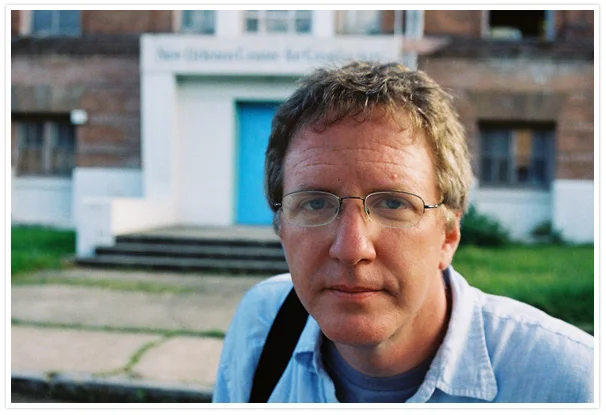
Andrew Waggoner is a critically-acclaimed, prize-winning composer who has been praised by the New Yorker as “a gifted practitioner of a complex but dramatic and vividly colored style.” Born in New Orleans, Andrew is currently Professor of Music Composition, Theory, and History, at Syracuse University’s Setnor School of Music. His work has been commissioned and performed by the Academy of St. Martin's-in-the-Fields, the Los Angeles Philharmonic, the Saint Louis, Denver, Syracuse, and Winnipeg Symphonies, the Cassatt, Corigliano, Miro, and Villiers Quartets, and the Pittsburgh New Music Ensemble, among many others. Winsor Music is honored to be premiering his latest composition, Down/Up for oboe quartet, on our Spring Concert next Saturday, April 12, 8:00 PM, at St. Paul’s Church in Brookline. For more information, including Mr. Waggoner’s full biography, discography, and much more, please visit his website, www.andrewwaggoner.com.
Mr. Waggoner took some time recently to speak with Katie about his style, his thought process, and the new piece for Winsor, in a thoroughly enjoyable conversation that spanned topics as diverse as pop/rock and thirteenth-century mystics.
How would you describe your music to someone who has never heard it?
I think the thing the thing I most want people to feel about my music is that it's strange-- something they haven't heard before-- but beautiful. I like the idea that someone who doesn't know anything about contemporary music can still come away from one of my pieces feeling like they've heard something beautiful, that moves them, but something that recognizably takes them out of their comfort zone, or their zone of familiarity.
If you had to choose one piece you've written (or that someone else has written) to describe your style or sound, what would it be?
One of the best examples is a piece that's on my most recent CD, also on my website: Livre, and to get a complete picture (downloadable): Inventory of Terrors. Those two pieces, in the context of each other, I think give a pretty complete sense of who I am and what I'm about. Livre is mysterious, but also very sensual, and very joyful. It's very much love music. Inventory of Terrors is about as opposite from that as you can get. What I like about them is how similar they are in certain respects, even though one of them is quite pretty and the other is quite dark and at times violent. Although there are passages from Inventory of Terrors that I find quite beautiful, but maybe in a way that's unique to me, I don't know...
What can you tell us about the piece you're composing for Winsor?
It's called Down/Up. I think if people actually do check out those other two pieces, then they'll have some sense of what this new piece is about- it's certainly about contrast, as you can guess from the title. A lot of registral contrasts, very low and very high. It's not so much happy/sad as it is down in the earth and up in a less bounded, less restricted sort of space. I think the title hit me from two different directions. There's a great quote from the wonderful 13th-century mystic and theologian Meister Eckhart: "one has to go down to go up." Specifically, he was talking about the imagery around baptism-- the whole idea of going down into water is that you're going down into hell, into the water to be cleansed, and then coming back up. But he wasn't really concerned with hell- he was interested in the totality of the experience. You couldn't really experience heaven unless you'd experienced the earth. You couldn't really experience your spiritual nature unless you'd experienced the physical; good, evil. That's kind of what's driving the piece; that's a lot to lay on a piece of music, but that's what's sparking it.
And the other thing has more to do with contemporary music — this is kind of unformed. If people listen to the other two pieces, I think it will be clear that I take this stuff seriously (and myself probably too seriously sometimes!). And I take musical transcendence really seriously; the art that I love the most is transcendent. At the same time much of the music that I love is pop, or folk, music that is thought of being vernacular. The old way of talking about it would be that these kinds of music were low, not high like Bach or Beethoven or Stravinsky. But it's had a big influence on my music in ways that I understand, but I think most people wouldn't get that from hearing my work. Frankly, I don't like most classical music that deliberately imitates pop music; for a lot of reasons, some of which are more easily substantiated than others. And so I was interested in exploring that ambivalence in this piece. To some extent, then, the piece involves a degree of stylistic juxtaposition (high-low). But the end result is less about stylistic crosscutting than tends to be the norm right now. Something about the notion about having to go down into the earth before going up into the spirit, and figuring out how to wrestle with my own dislike of much so-called crossover music, stuff that really explicitly imitates pop music- I've tried to exorcise that demon for myself.
Where do you see this piece in relation to your other work? Does it fit into the "big picture", or is it something completely different?
It definitely fits into a continuum, but it also represents something new for me. With each new work I generally set myself some very specific technical challenge, something that forces me to deal with something I haven't before. This spiritual underpinning is something I've drawn from a lot over the years. But with this piece, dealing with my own reservations about a style of music will push the spiritual dimension in a whole new direction. The string quartet that I wrote around 2000, called Legacy — it's directly inspired by both old rhythm and blues and also by Hendrix. When it was written, it was kind of, in its own humble way, on the edge of thinking about this whole new style of music. But it was also unapologetically concert music. At that point, I was exploring those kinds of connections a lot, but in ways that I found interesting. What's happened in the intervening years-- I think that people would hear that piece now and think that the way in which it deals with rock music is kind of quaint. It doesn't bend genres at all. So this piece for Winsor is really the first piece since then that tries to deal with that kind of issue. In the end, though, it's chamber music, which rock is too, at its best. Maybe that's the most important connection between these different genres: people get together, they listen to each other, they try to do their best.
Interview with a Young Composer
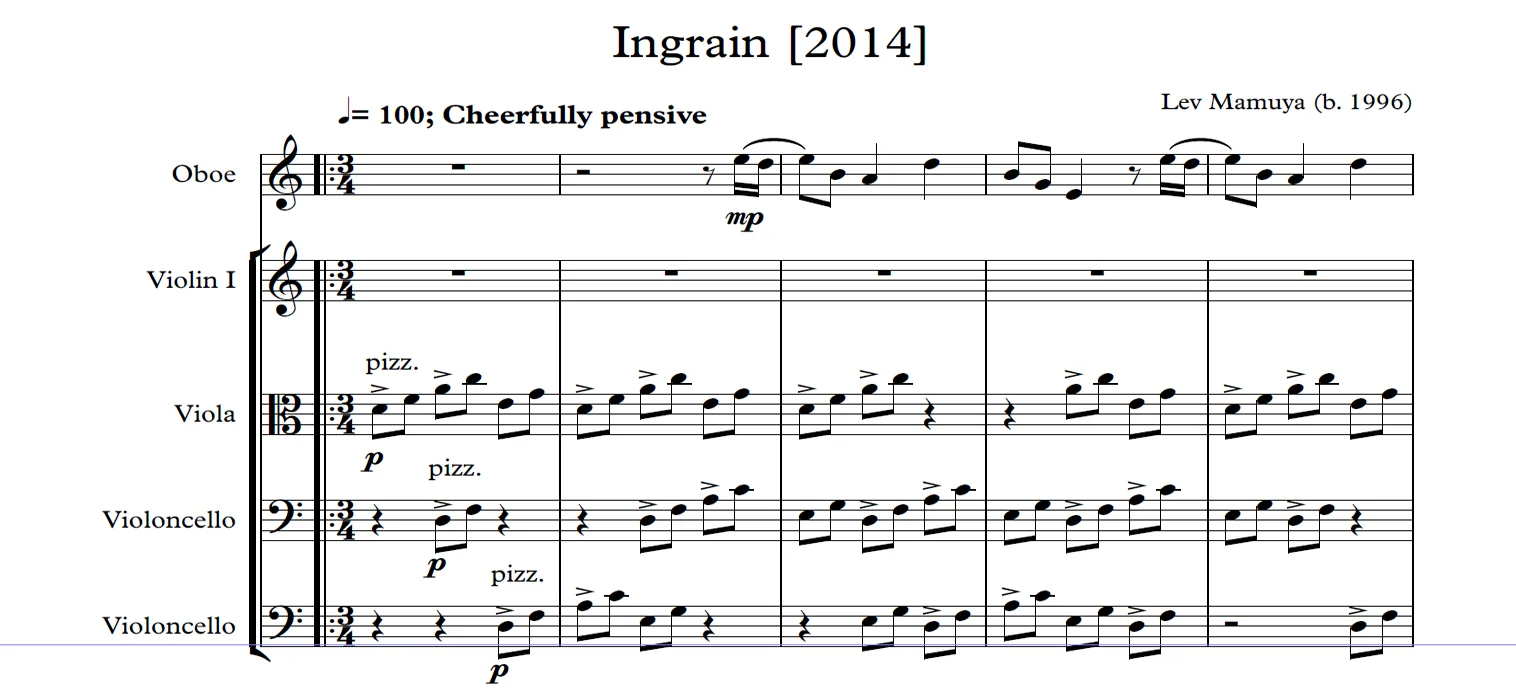
Meet Lev Mamuya, a seventeen-year-old composer and prize-winning cellist who will be performing in the premiere of Ingrain, his third composition for Winsor Music, on our April 12 concert at St. Paul's Church in Brookline.
Meet Lev Mamuya, a seventeen-year-old composer and prize-winning cellist who will be performing in the premiere of Ingrain, his third composition for Winsor Music, on our April 12 concert at St. Paul's Church in Brookline. Winsor Music will introduce this new work in conversation with another world premiere by the critically acclaimed composer Andrew Waggoner, as well as classic works by Haydn, Bach, and Vivaldi.
Our Artistic Director, Peggy Pearson, shared the following photo with us and writes: "This is what Lev looked like at his very first concert with Winsor Music, when he was only eleven years old! We're so proud of his growth as a cellist and composer. He's a very fine young man and a wonderful role model, and we wish him all the best as he moves on into the next stage of his life and career."
Lev is a senior at the Roxbury Latin School, and lives with his family in Newton, MA. In a recent interview, he spoke about his new piece, Ingrain, and his thoughts on music, composition, and the road ahead. For Lev's complete biography, please visit our Young Artists page.
For audience members who are new to Winsor, and who may not be familiar with you, can you tell us something about your compositional background? How many pieces have you completed so far?
I’ve taken composition lessons for about ten years, and I’ve finished a number of pieces —perhaps more in the past three or four years. I was in a chamber group with a clarinetist, a pianist, and a violinist... we were all composers and we’d put together programs of our own music, so I wrote a lot during my time with that group.
Do you mostly compose chamber music? Is that your favorite medium?
I’d say so; I’ve written for chorus, and then some for solo instruments, but most of the music that I’ve composed has been for 3-6 voices.
How would you describe your music to someone who has never heard it?
It’s certainly not hyper-modern; there’s a lot of influence from Ravel and Debussy, but also from Bartók and Shostakovich... it has what people associate with an American feel, like Barber.
If you had to choose one piece you've written (or that someone else has written) to describe your style or sound, what would it be?
It’s tough, because there are a lot of people that you want to sound like — you also know you shouldn’t sound exactly like those people — but there’s a lot of Ravel and Debussy, like La Mer, or the Ravel Duo for Violin and Cello, which are really impressive, and you come away saying, “I want to sound like that.” I think one of the best things I’ve written is a piece I finished this summer for chorus and piano, called Solace… We read through it this past summer at camp where I sing in the chorus, and hopefully it’s going to get performed this summer.
What can you tell us about Ingrain?
It’s based on a nine bar phrase which is really the larger product of a three bar phrase. The whole piece is like a theme and variations---kind of a cross between that and a rondo, with some elements of a fugue, because everything is built on that nine bar phrase. The title came from the idea that that one little bit of material is used so heavily over and over again.
Did that core piece of material come from another piece of music, or any particular thought process? Where did you find that core?
Oftentimes I’ll just sit at the piano and make up sketches of melodies for cello and piano, or some other arrangement that I feel comfortable writing for. These melodies aren’t necessarily very good, but then when I sit down to write a larger scale piece I’ll go back over them; sometimes I’ll end up with new themes and new materials and I’ll pick out themes from old ideas that never got finished. Pulling everything together and turning it into an actual piece happens only when I have to write a piece.

Why do you like writing for this particular combination of voices? (Oboe, violin, viola, two cellos; same instrumentation as The Eagle)
Peggy suggested this combination of instruments for The Eagle. I like it because the oboe is pretty different from the stringed instruments but can still blend with them. This piece isn't as emotionally serious or extensive in breadth as The Eagle. It’s a lot more about seeing what you can do with one melodic idea and stretching it with compositional techniques, which isn't something I've done before.
Maybe playing with the same idea as Ravel does in the Bolero? Playing with your technical abilities to see what you can do with this one melodic core?
Right. To a certain extent it came from Bach: the idea of a fugue and being based on a subject and countersubject, and how complex he was able to make a piece with the addition of different voices. I wouldn’t say that there are many parts which are fugue-like in it, but it came from that kind of idea.
Going forward, are you looking towards a career in cello, composition, both, or neither?
I’m looking for colleges that offer a combination of cello and academic programs. Hopefully I can continue to take composition lessons. It’s helpful to have some sort of guidance and outside ear to listen to your work and see how other people might perceive it and give suggestions on how things could be more effective. But composition is personal and easy to keep up by yourself as well.
How does it feel to hear other people play what you’ve tried to express in your writing?
It’s difficult and I think that’s one of the benefits of having a teacher — you can compose something that makes perfect sense to you but for other musicians, it might be hard to read, or written in a way that’s difficult to play. So it doesn’t come across the way you want it to, and you’ve got to think of a different solution. [Composing] is definitely personal, and I know if I’ve written something that’s been performed and that I come back to three or four years later, I can say I wish I could have done this differently. It’s personal every time you look at your work, but the process is about honing a lot of material into a form that is accessible so that the audience can take something away from the performance. For a six minute piece I might end up writing twelve or fourteen minutes of music in some incarnation, but obviously it doesn’t all end up in the piece.
You’re auditioning for colleges now and graduating from high school this spring. How does it feel to be premiering your last composition for Winsor before you go to college?
I don’t know, it’s kind of odd. [laughs] It’ll take some getting used to, I guess.
Looking Back on the Bach Institute
It’s said that in the winter of 1705, a twenty-year old J.S. Bach traveled over 260 miles on foot to see the organist and composer Dietrich Buxtehude perform in Lubeck, on the Baltic Coast of Germany. The students of the 2014 Bach Institute may not have come to us on foot, but they metaphorically followed in young Johann’s footsteps when they flew and drove through not one, but two polar vortices to immerse themselves in the music of Bach, guided by a seasoned and distinguished faculty in our own snowy coastal city of Boston.
It’s said that in the winter of 1705, a twenty-year old J.S. Bach traveled over 260 miles on foot to see the organist and composer Dietrich Buxtehude perform in Lübeck, on the Baltic Coast of Germany.
The students of the 2014 Bach Institute may not have come to us on foot, but they metaphorically followed in young Johann’s footsteps when they flew and drove through not one, but two polar vortices to immerse themselves in the music of Bach, guided by a seasoned and distinguished faculty in our own snowy coastal city of Boston.
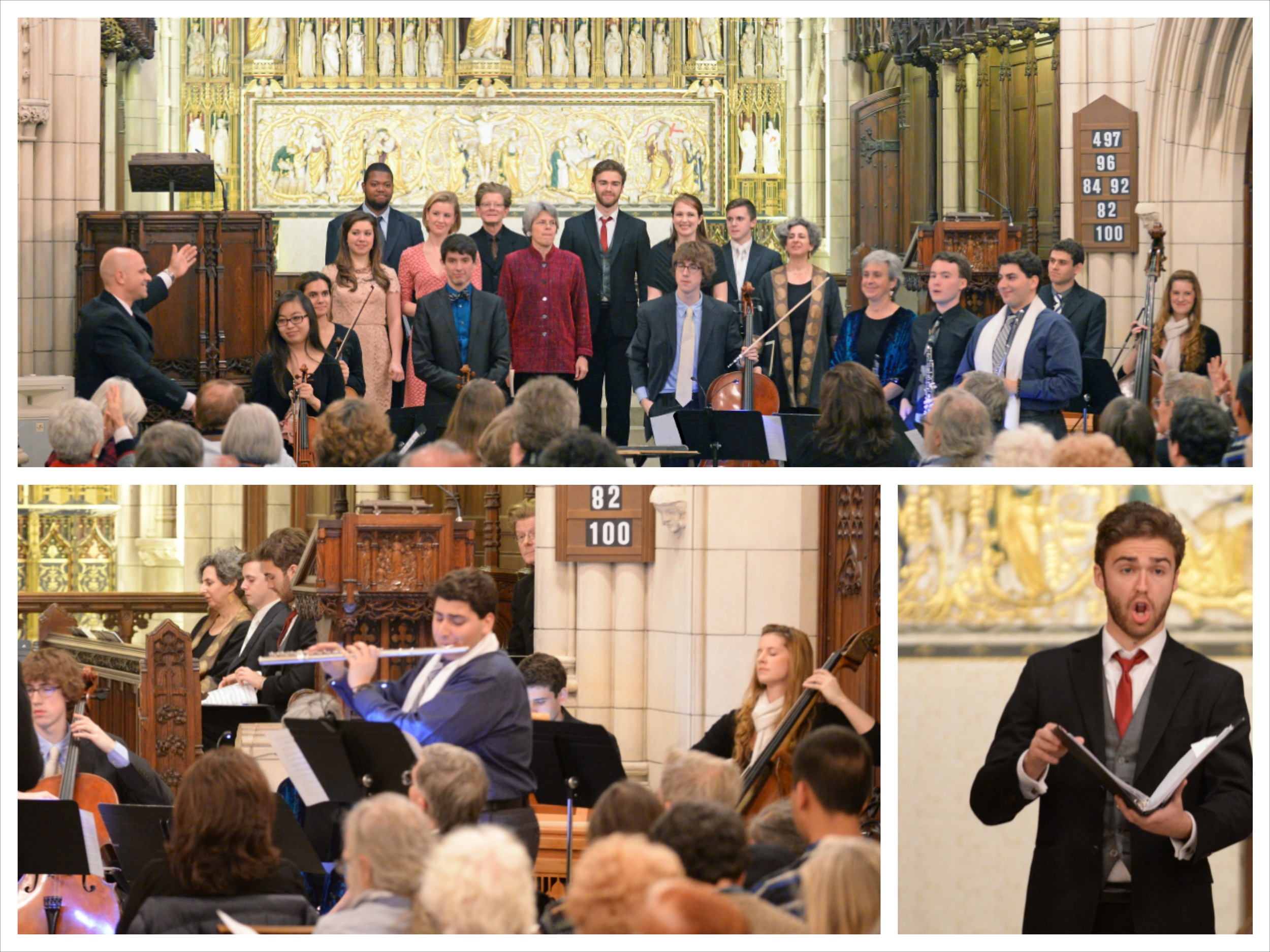
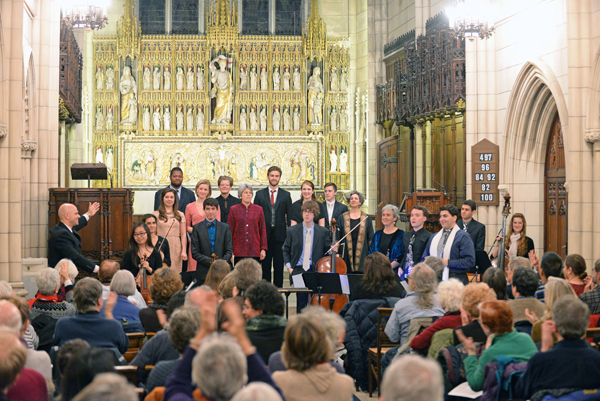
An enthusiastic and dedicated audience braved the snow and wind to fill Lindsey Chapel for the final concert on Tuesday, January 21. Our students worked tirelessly on this challenging music for two intense weeks and we are so grateful that you rewarded them with your presence, attention, and appreciation.
For those of you who might be wondering what we mean quantitatively by “intense,” here are some numbers from co-founder and co-director Kendra Colton’s speech at the final concert (you can view the full text here):
- Faculty of 9 professionals drawn from Emmanuel Music, Oberlin College, Winsor Music
- They have collectively performed more than 230 years of cantatas at Emmanuel Church
- Approximately 100 hours of group or private coaching during the first week alone
- 3 insightful lectures into the weekly cantatas and 1 masterclass on Bach recitative by Pamela Dellal
- 1 presentation by John Harbison on Cantata 78 (performed for the final concert)
- 14 performances by the students in 17 days
- 3 Emmanuel Music Sunday cantatas
- 3 preludes before the Emmanuel Church services
- 4 Winsor Music outreach concerts at retirement communities
- 2 children’s concerts at the Mather School in Dorchester
- 5 performance demonstrations with Pamela Dellal and John Harbison
- Students and faculty attended 3 extra-curricular concerts
- Golijov’s La Pasión según San Marcos with Robert Spano and The Boston Symphony Orchestra
- Chemistry performed by A Far Cry and Urbanity Dance on January 11
- A Little Night Music performed by Emmanuel Music on January 19
- Hours upon hours of individual practice by the students and prep by the faculty...
You get the picture — they packed a lot into two weeks.
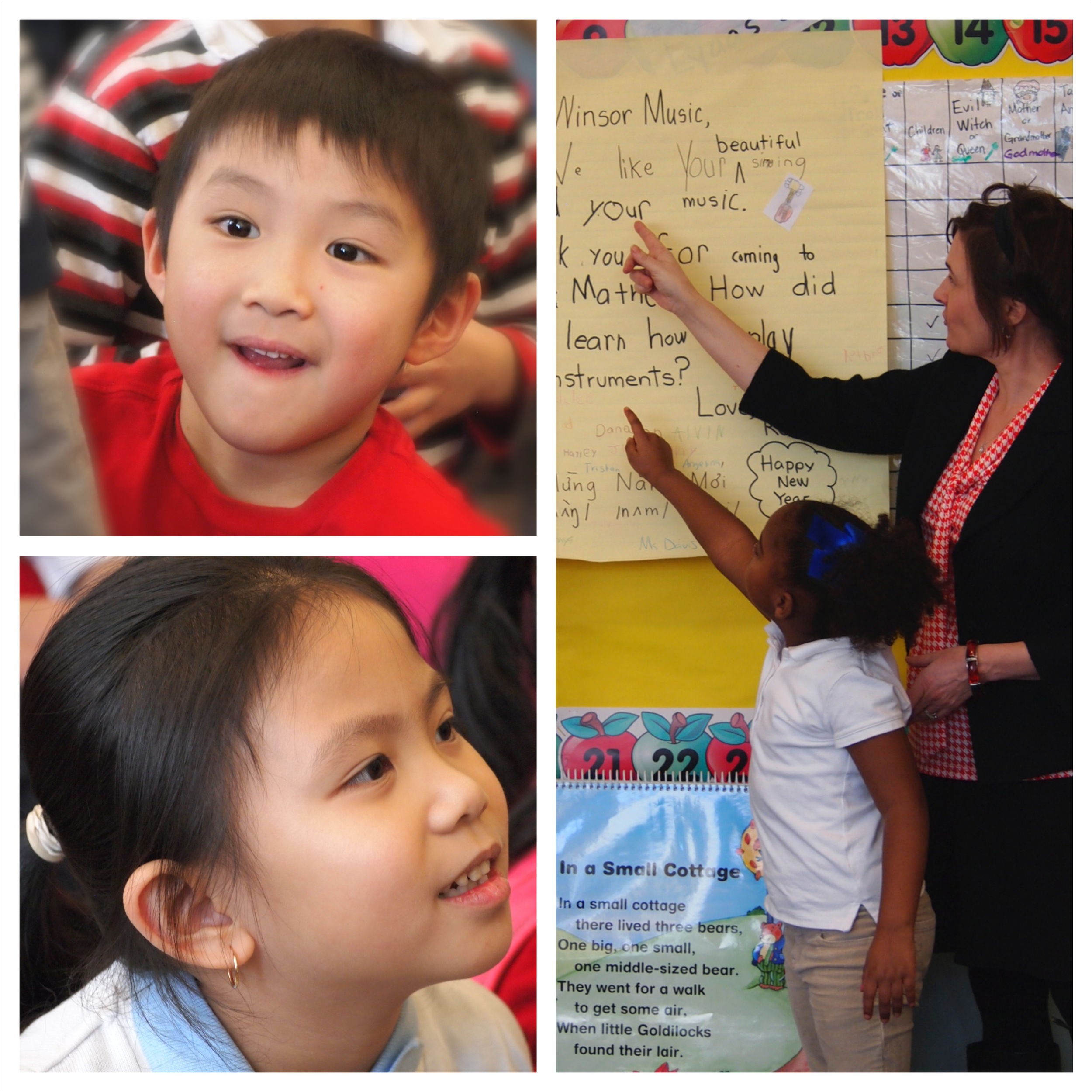
The three sponsors of the Institute — Emmanuel Music, Oberlin College and Conservatory, and Winsor Music — work jointly to provide a seamless experience for the students, but each sponsor also brings its own unique contributions to the table. Winsor Music’s established relationships with the Mather School and local retirement communities allow the students to share their gifts and passion for music with underserved communities. This year’s children’s concerts at the Mather School in Dorchester, always a favorite of the Institute participants, featured Frère Jacques, The Opera, a short and simple interactive “opera” based on an easy and familiar tune that the children already know. Like last year’s hit, Mary Had a Little Lamb, the “opera” and the other components of the concert were arranged during the second week of the institute by the students specifically for the children of the Mather School. If you’d like to know more about a typical children’s concert at the Mather School, please visit this page for more details. Thanks to the generosity of everyone who contributed to our Kickstarter campaign this fall, we’re planning to give two more concerts at the Mather School this season — we’ll let you know when we have more details!

As we wrap this post up, we can’t go without thanking the many people who made this one-of-a-kind experience possible, and since Kendra put it so well in her speech, we’ll let her do it:
In order for this program to flourish, a large community of supporters has been enlisted. The program lists our contributors, but I want to add my personal thanks to Dr. Peter Libby and Dr. Beryl Benacerraf, the Klarman Foundation, and Oberlin College for your critical financial support.
Housing our out-of-town students in Boston is a special challenge because the length of the program is much longer than most people would dream of having their own relatives visit. What’s more, the hosts do not even know the people who will be under foot, and so they take a leap of faith that I will invite quality human beings. So to Anne and Sean Gavin, John and Gretchen Graef, Cynthia Livingston and Dick Shader, Eban and Sara Kunz, Carla Rothaus and Eric Printz, and new hosts Diana Post and Hal Churchill, and Susan and Frank Kelley, I offer my sincere gratitude on behalf of the Institute and the students.
Another vital community supporter of the Bach Institute is Emmanuel Church. I’d like to thank Pam Werntz and the church for generously offering this space for the duration of the program.

To Kate Kush and all members of the Emmanuel Music Board, Ryan Turner, artistic director, and Pat Krol, executive director, I say thank you for your continued support and enthusiasm for this program.
… To the faculty, thank you for your commitment, passion, time, opinions, and faith that we would all agree OR agree to disagree on how we wanted to help the students take ownership of this great music. It is my privilege and honor to have such esteemed colleagues and friends as musical partners.
We would also like to extend our sincere thanks to the students for their hard work and commitment during their time with us, and to congratulate them on a beautiful concert and a job well done. We hope you can draw upon the lessons you learned from your teachers and the beauty you discovered in Bach’s music as you continue on your journey as musicians, whether it takes you to Lübeck, to Boston, or beyond. Wherever you’re going, we hope it’s warmer than Boston in January!
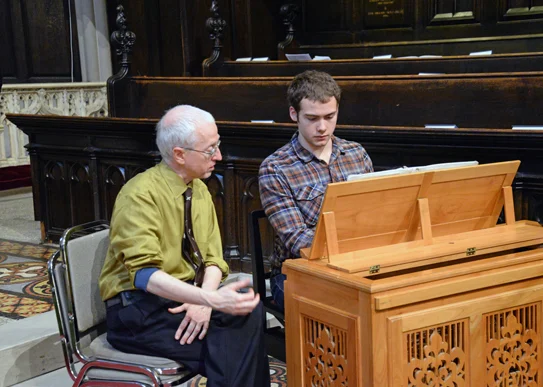
Bach Institute Under Way at Emmanuel Church
The Bach Institute is a collaboration of Winsor Music, Emmanuel Music and Oberlin Conservatory that mentors college and conservatory students in an intensive exploration of the historical framework and performance of Bach cantatas. More information can be found at emmanuelmusic.org.
The Bach Institute has begun! Students from Oberlin, New England Conservatory and Boston University School of Music are participating in recitals, master classes, and discussions of the music of J. S. Bach, mentored by Emmanuel Music faculty. All activities take place at Emmanuel Church and are free and open to the public. The Bach Institute will culminate in a final concert performance on Tuesday, January 21 at 7:30 pm.
Schedule:
- Saturdays, January 4, 11, 18, 2014 at 9:20 am: Pamela Dellal, Institute Faculty, gives an in-depth lecture on the cantata to be performed the following day by the students, who also perform chamber music in the service prelude:
- Sunday, January 5, Cantata BWV 123
- Sunday, January 12, Cantata BWV 148
- Sunday, January 19, Cantata BWV 3
- Sunday, January 19 at 12:30 pm: Cantata BWV 78, a talk given by John Harbison, with Bach Institute students illustrating, in the Music Room
- Wednesday, January 15, 1:00–2:45 pm: Bach Aria Master Class with Pamela Dellal in the Music Room
- Tuesday, January 21 at 7:30 pm: Final Concert with Bach Arias and Bach cantata BWV 78 in Lindsey Chapel
Kickstarter Campaign a Huge Success!
Today our campaign to fund concerts at the Mather School in Dorchester has ended, and we’re about 68% over our goal! Thanks to all who supported us – and who helped some kids enjoy music.

Our 30-day Kickstarter campaign to fund concerts at the Mather School in Dorchester is now concluded, having raised over 168% of our goal! 86 generous backers have made possible a year of concerts at the school, and then some. Winsor Music is grateful to all of our backers, and your rewards (if you chose one) will be forthcoming. For now, we will be busy making plans for the concerts, and looking forward to having some musical fun with the kids at the Mather School. Thank you, all!
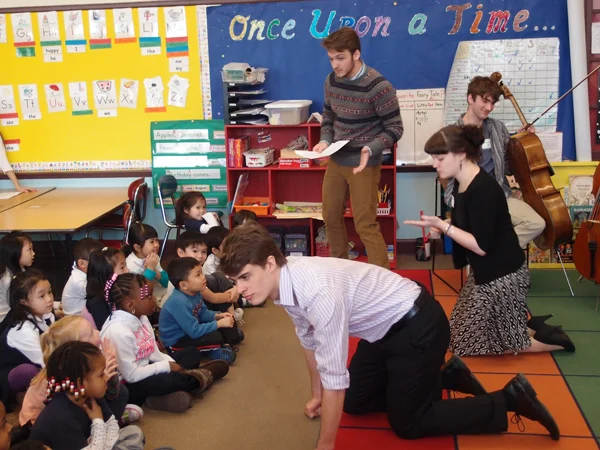
Kickstarter Campaign for Mather School Concerts
Winsor
Music has launched a Kickstarter project to fund concerts at the Mather School in Dorchester. We hope to raise enough money to give 12 concerts for the kids at Mather, and show them that music is fun and can bring joy into their lives. The project is viewable at: kickstarter.com
Winsor Music has launched a Kickstarter project. Kickstarter is a website developed to raise money for special projects. Through Kickstarter, we will be funding a project at the Mather School in Dorchester.
We’ve given eight successful concerts at the Mather School. To continue our collaboration, we need your help. We want to show these youngsters that music is fun, that it can bring joy into their lives. Music inspires creativity, action, commitment, and passion, and it can transform children’s lives.
Please visit kickstarter.com to make a donation, and please spread the word.
Thank you!
Peggy Pearson
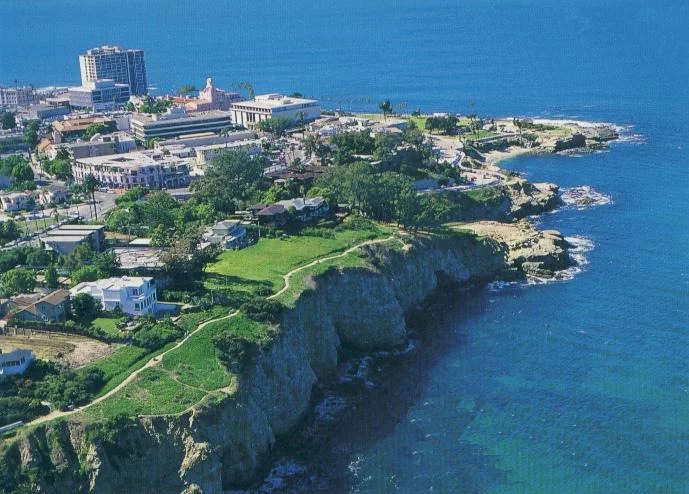
Crossroads at La Jolla Summerfest
Peggy Pearson and others premiere John Harbison’s new work, Crossroads, on a program of three world premieres by Harbison, Stucky, and Del Tredici at La Jolla SummerFest 2013.
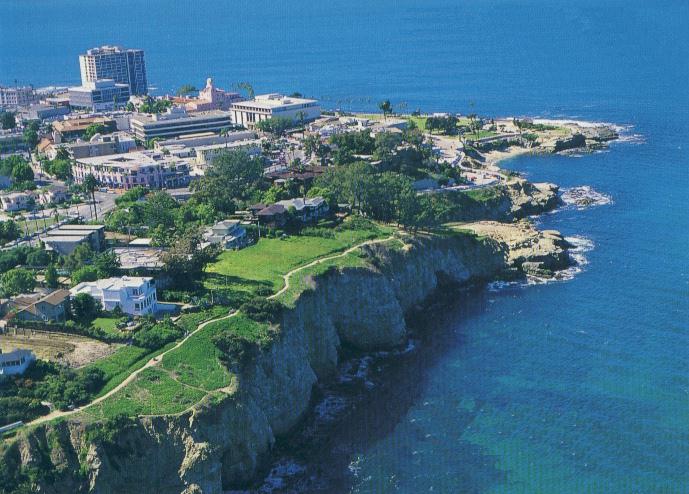
Photo by Eiko Thielemann
Source: americasmusicfestivals.org
Peggy Pearson and others will premiere John Harbison’s new work, Crossroads, on a program of three world premieres by Harbison, Stucky, and Del Tredici. The performance will take place on Friday, Augutst 16th and it is not to be missed if you are anywhere near La Jolla! If you can’t make the CA performance, come hear the Boston Premiere by Winsor Music on November 30, 2013.
In La Jolla, there will be a prelude performance at 6:30 and a “Meet the Composers” event at 7:00. For more information, including location, tickets, performers and more, please visit the Event Page for the La Jolla Music Society Summerfest.
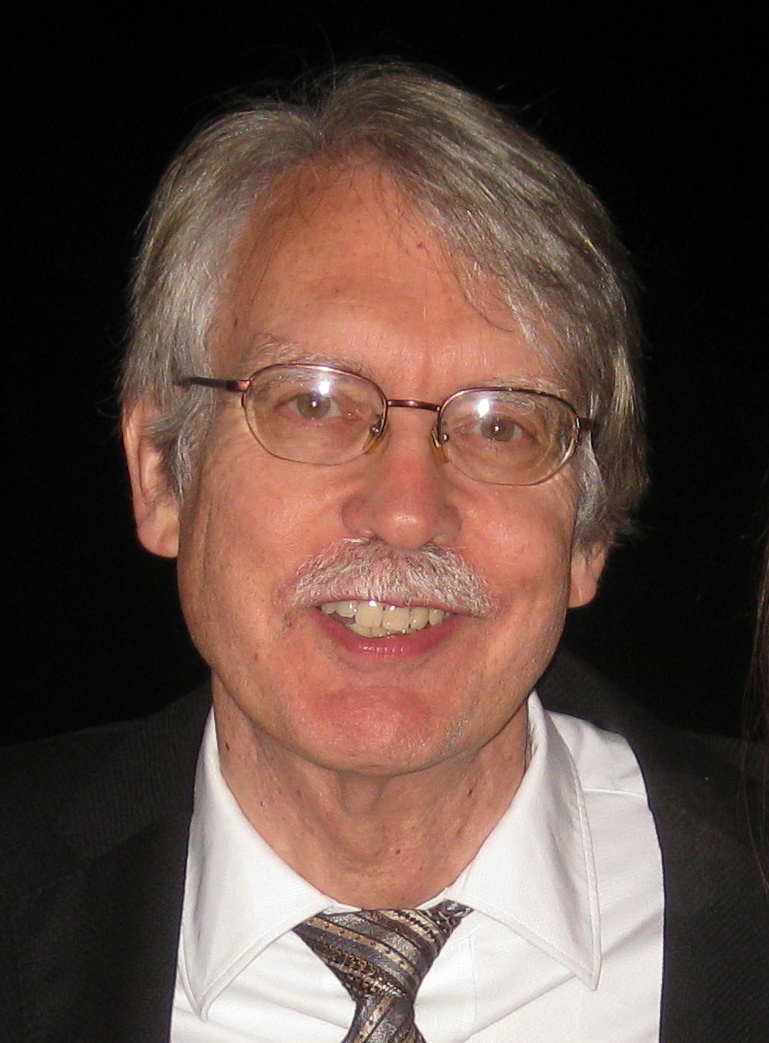
Crossroads ahead...
We're thrilled to announce that we're arriving at the final (and most exciting stage) of a long and fruitful journey with John Harbison and our consortium partners.

We're thrilled to announce that we're arriving at the final (and most exciting stage) of a long and fruitful journey with John Harbison and our consortium partners. John's new work, Crossroads (for soprano, oboe, and strings) will be given its world premiere at the La Jolla SummerFest on Friday, August 16. Our own Peggy Pearson will perform in the world premiere, and Winsor Music will give the Boston premiere on Saturday, November 30. After August 16, our consortium partners will begin giving premieres of the work in their own cities, among them Atlanta, Portland, and Philadelphia. Check back soon for updates and more information about our commissioning partners in the Consortium.
Summertime...
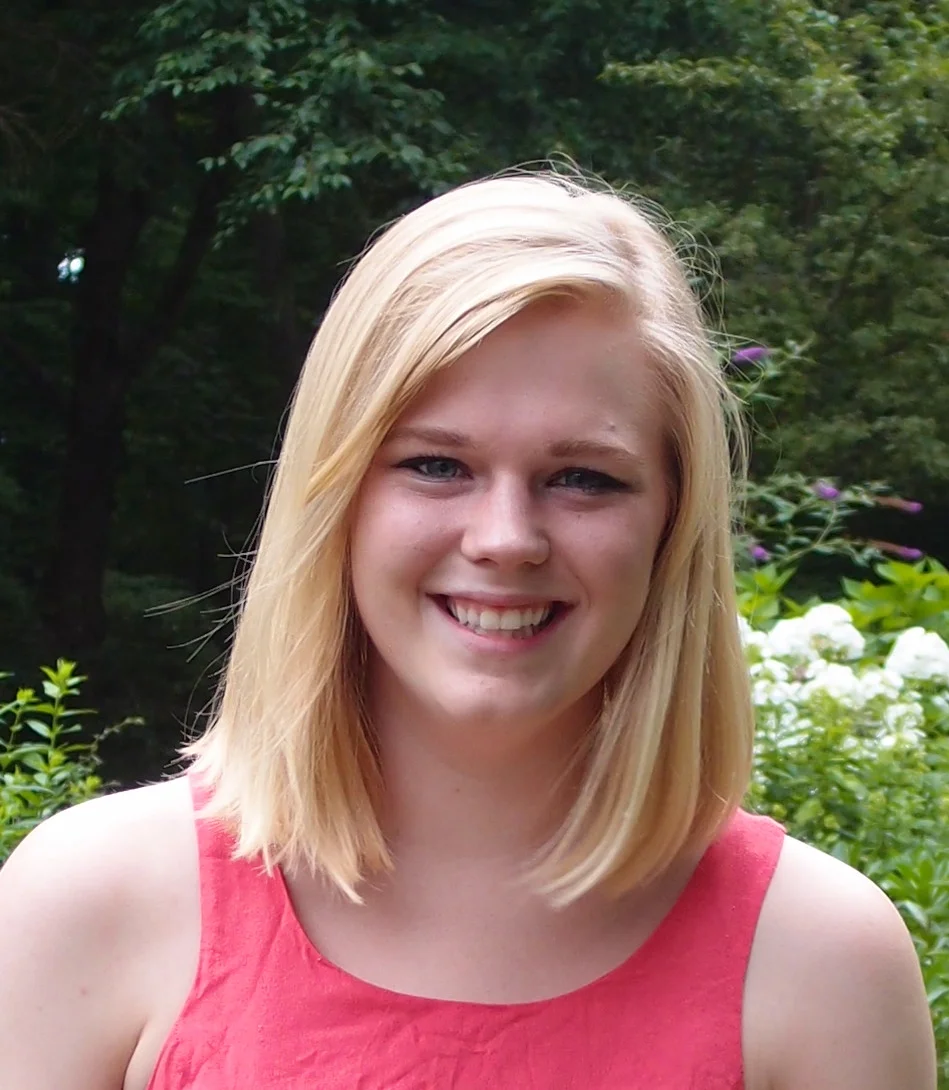
This summer, Winsor Music has two interns from Smith College, Jess and Katie...
This summer, Winsor Music has two interns from Smith College, Jess and Katie. Some of you may remember Katie, a repeat offender from last summer, but we’re especially excited to have Jess join the team for the first time. She brings a lot of enthusiasm, energy, and imagination, and you’ll get to see the fruits of her labor when we launch a Kickstarter campaign for the Mather School Concerts later this fall!
Jess and Katie will also be working on finding sponsors for our fall concerts — if you have any ideas, send them our way!

Jess Marlor, Smith College '16

Katie Hoyer, Smith College '13